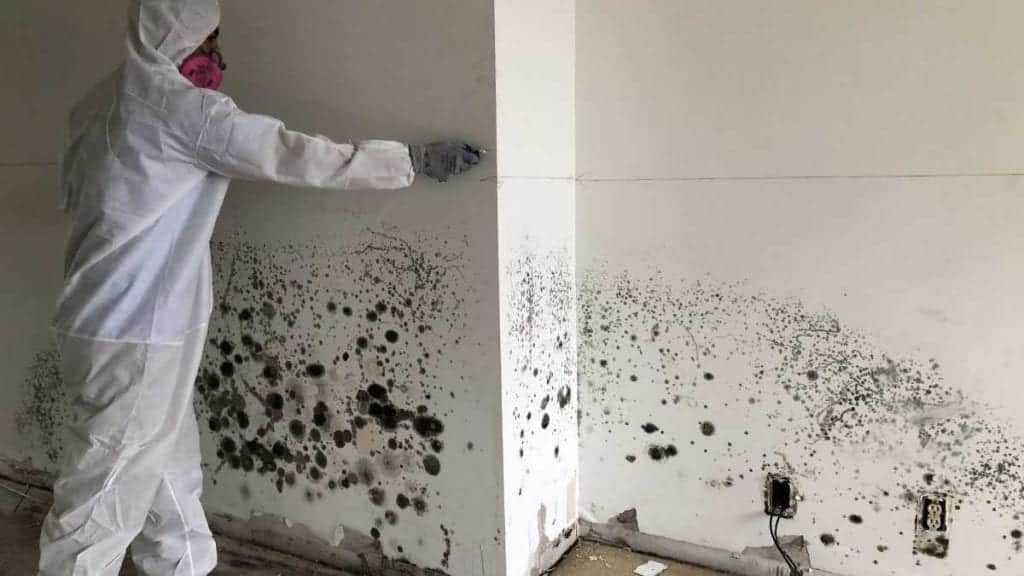
If you live in the DC metro or Baltimore area, mold isn’t a question of if. It’s a question of when.
The Mid-Atlantic climate is practically built for mold growth. You’ve got hot, humid summers, mild and wet springs, and winter condensation that traps moisture inside older homes. But not all months are created equal. There are specific windows during the year when mold risk spikes, and knowing when they hit can save you thousands in remediation costs.
Here’s a month-by-month breakdown of mold risk in the DC and Baltimore region, along with what you should be doing during each period to protect your home.
The Short Answer: June Through September Is Peak Mold Season
Mold grows when three conditions come together: moisture, warmth, and organic material. In the DC-Baltimore corridor, all three are abundant from late spring through early fall.
- Average summer humidity: 70-80% relative humidity (the EPA recommends keeping indoor humidity between 30-50%)
- Average summer temperature: Highs of 85-95 degrees, well within mold’s ideal growth range of 77-86 degrees
- Mold spore counts: Outdoor spore counts in the DC metro routinely exceed 10,000 spores per cubic meter during July and August
But peak season isn’t the only time you need to worry. Here’s the full picture.
Month-by-Month Mold Risk Calendar
January and February: Winter Condensation (Moderate Risk)
What’s happening: Cold air outside meets warm air inside, creating condensation on windows, exterior walls, and uninsulated surfaces. The older housing stock in DC and Baltimore, particularly row homes and townhomes, often lacks adequate insulation and vapor barriers, which makes condensation even worse.
Specific risks:
- Condensation pools on window sills and frames, feeding Cladosporium and Aureobasidium mold
- Frozen pipe bursts create sudden water damage events, and mold begins growing within 24-48 hours
- Attic condensation in older DC homes (Georgetown, Capitol Hill, Petworth) where warm air rises and meets cold roof decking
- Baltimore row homes with shared party walls trap moisture between units
What to do:
- Run a dehumidifier in the basement, targeting 40-50% humidity
- Wipe condensation from windows daily in problem areas
- Insulate cold water pipes to prevent both freezing and condensation
- Keep interior temperatures consistent, since temperature swings make condensation worse
- If a pipe bursts, call for water extraction immediately. Don’t wait for it to “dry out on its own”
March and April: Spring Rain and Snowmelt (High Risk)
What’s happening: DC averages 3-4 inches of rain per month in spring. Combine that with snowmelt and saturated ground, and water finds its way into basements and crawl spaces. This is when most basement flooding occurs in Maryland.
Specific risks:
- Basement flooding in Maryland homes. Clay soil is common across Montgomery, Howard, and Anne Arundel counties, and it drains poorly.
- Foundation cracks that were dormant all winter start leaking under hydrostatic pressure
- Sump pump failures after winter dormancy (the worst time to discover your sump pump died is during a spring downpour)
- Crawl space flooding in Northern Virginia homes, especially in areas with high water tables
What to do:
- Test your sump pump before spring arrives. Pour water into the pit and confirm it activates.
- Clear gutters and downspouts. Make sure downspouts direct water at least 6 feet away from your foundation.
- Grade soil away from foundation walls (the ground settles over time and can slope back toward the house)
- Inspect your basement after every heavy rain for the first few storms of the season
- If you find water intrusion, address it within 24 hours. Mold doesn’t wait.
May and June: Humidity Climbing (High Risk, Season Begins)
What’s happening: This is the transition into peak mold season. Outdoor humidity rises above 60% regularly, outdoor mold spore counts start climbing, and HVAC systems switch from heating to cooling. That switch creates condensation on ductwork and in air handlers.
Specific risks:
- HVAC transition condensation. When you turn on the AC for the first time, condensation forms on cold surfaces throughout the duct system. If drain lines are clogged, water backs up and creates a mold breeding ground.
- Bathroom and kitchen humidity compounds outdoor humidity, making exhaust fans critical
- Outdoor Alternaria and Cladosporium spores begin flooding indoor air through open windows and doors
- Basements that felt “fine” all winter start smelling musty as humidity rises
What to do:
- Service your HVAC system before summer. Clean drain lines, replace filters, and check for mold in the air handler.
- Set your dehumidifier to maintain 45-50% humidity in the basement
- Avoid opening windows on high-humidity days (above 65% RH outside). You’re essentially inviting spores inside.
- Check under bathroom and kitchen sinks for any slow drips that developed over winter
July and August: Peak Mold Season (Highest Risk)
What’s happening: This is the most dangerous window for mold growth in the DC-Baltimore area. Sustained heat, extreme humidity, and frequent afternoon thunderstorms create ideal conditions both indoors and outdoors.
The numbers:
- DC average July humidity: 71-76% (mornings often exceed 85%)
- Baltimore average July humidity: 72-78%
- Average afternoon thunderstorm frequency: 8-12 days per month
- Indoor mold spore counts can be 2-5x higher than the rest of the year if humidity isn’t controlled
Specific risks:
Basements and crawl spaces can’t regulate temperature as well as upper floors. Without active dehumidification, these areas easily exceed 70% humidity. – HVAC systems running continuously means constant condensation in ductwork. If there’s any organic matter like dust or debris in the ducts, mold colonizes
Post-storm moisture from afternoon thunderstorms pushes water against foundations, through window wells, and into any crack or gap. Water that doesn’t get cleaned up within 24-48 hours becomes a mold problem.
Vacation homes and unoccupied properties are especially at risk. If the AC goes down while you’re away for a week in July, you can come home to a full-blown mold situation.
What to do:
- Run dehumidifiers 24/7 in below-grade spaces
- Keep AC set no higher than 76 degrees. This helps control indoor humidity, not just temperature.
- Check your AC drain pan and condensate line weekly
- After storms, inspect the basement and any areas prone to water intrusion
- If you’re leaving town, have someone check on the house or install a smart humidity monitor that alerts you remotely
- Schedule a professional mold inspection if you haven’t had one. July is when hidden problems reveal themselves.
September and October: Fall Transition (Moderate-High Risk)
What’s happening: Humidity begins to drop, but slowly. September in DC often feels like a continuation of summer. Meanwhile, leaves are falling and clogging gutters and downspouts, which creates water pooling against foundations. Outdoor mold spore counts remain elevated as decaying leaves release Alternaria and Cladosporium spores.
Specific risks:
- Clogged gutters push rainwater over the edge and against the foundation
- Leaf piles against the house trap moisture and create mold-friendly microclimates
- HVAC systems transition again. During the “shoulder season” where neither heat nor AC runs consistently, indoor humidity can creep up.
- Stachybotrys and Chaetomium that started growing during the summer months are now well-established and may become visible for the first time
What to do:
- Clean gutters and downspouts before fall rains pick up
- Rake leaves away from the foundation and maintain a 12-inch clear zone
- Continue running dehumidifiers in the basement through October
- This is an excellent time for a preventive mold inspection to catch summer growth before winter closes everything up
November and December: Pre-Winter Prep (Lower Risk)
What’s happening: Outdoor humidity drops and temperatures fall, reducing overall mold risk. But this is when preparation matters most. Moisture problems that aren’t addressed before winter get sealed inside your home for months.
Specific risks:
- Moisture trapped in walls, attics, and crawl spaces from summer and fall persists through winter
- Holiday cooking and showering without adequate ventilation increases indoor humidity
- Space heaters and humidifiers (used to counter dry winter air) can tip the balance in already-damp areas
- Homes sealed up for winter can trap mold spores inside, and indoor air quality declines as a result
What to do:
- Seal air leaks around windows, doors, and foundation penetrations, but make sure your home still has adequate ventilation
- Inspect the attic for any signs of condensation or mold before closing up for winter
- If you use a humidifier, keep indoor humidity below 50% and monitor with a hygrometer
- Make sure bathroom exhaust fans vent to the exterior, not into the attic (this is a surprisingly common issue in older DMV homes)
- Consider a professional air quality test. Indoor mold that accumulated over summer may need to be addressed before you seal everything up.
The Bottom Line: DC and Baltimore Have a Year-Round Mold Problem
While July and August are the highest-risk months, the reality is that the DC-Baltimore region has mold-friendly conditions for 8-9 months of the year. Between summer humidity, spring flooding, winter condensation, and the area’s aging housing stock, there’s almost always a pathway for moisture to get where it shouldn’t be.
The Mold Risk Calendar at a Glance
| Month | Risk Level | Primary Threat |
| January | Moderate | Condensation, frozen pipe bursts |
| February | Moderate | Condensation, ice dam leaks |
| March | High | Spring rain, snowmelt, basement flooding |
| April | High | Heavy rain, foundation leaks, sump pump failures |
| May | High | Rising humidity, HVAC transition condensation |
| June | Very High | Sustained humidity, storm moisture |
| July | Highest | Peak humidity, thunderstorms, explosive mold growth |
| August | Highest | Continued peak conditions, hidden mold matures |
| September | Moderate-High | Lingering humidity, leaf debris, gutter issues |
| October | Moderate | Decaying vegetation, fall rain |
| November | Lower | Trapped moisture, pre-winter sealing |
| December | Lower | Indoor humidity spikes, holiday moisture |
When to Get a Mold Inspection
The best time for a proactive mold inspection is early spring (March or April) before mold season kicks in, or early fall (September or October) to catch anything that grew during the summer. But if you notice musty smells, visible growth, or unexplained allergy symptoms at any time of year, don’t wait. Call immediately.
MoldGone Serves the Entire DC-Baltimore Corridor
From Georgetown to Federal Hill, Silver Spring to Columbia, Arlington to Annapolis, MoldGone provides certified mold inspection and remediation across the entire DC-Maryland-Virginia region. We understand the local climate, the local housing stock, and the specific mold challenges that come with living in the Mid-Atlantic.
Schedule a free inspection before mold season arrives. Call MoldGone at 240-970-6533 or book online.


Recent Comments