From Capitol Hill row houses to Cleveland Park colonials, D.C. homes hold onto moisture in ways newer construction doesn't. MoldGone finds where the moisture is coming from, contains the work area, removes the contamination, and rebuilds what comes out, all with one licensed team.

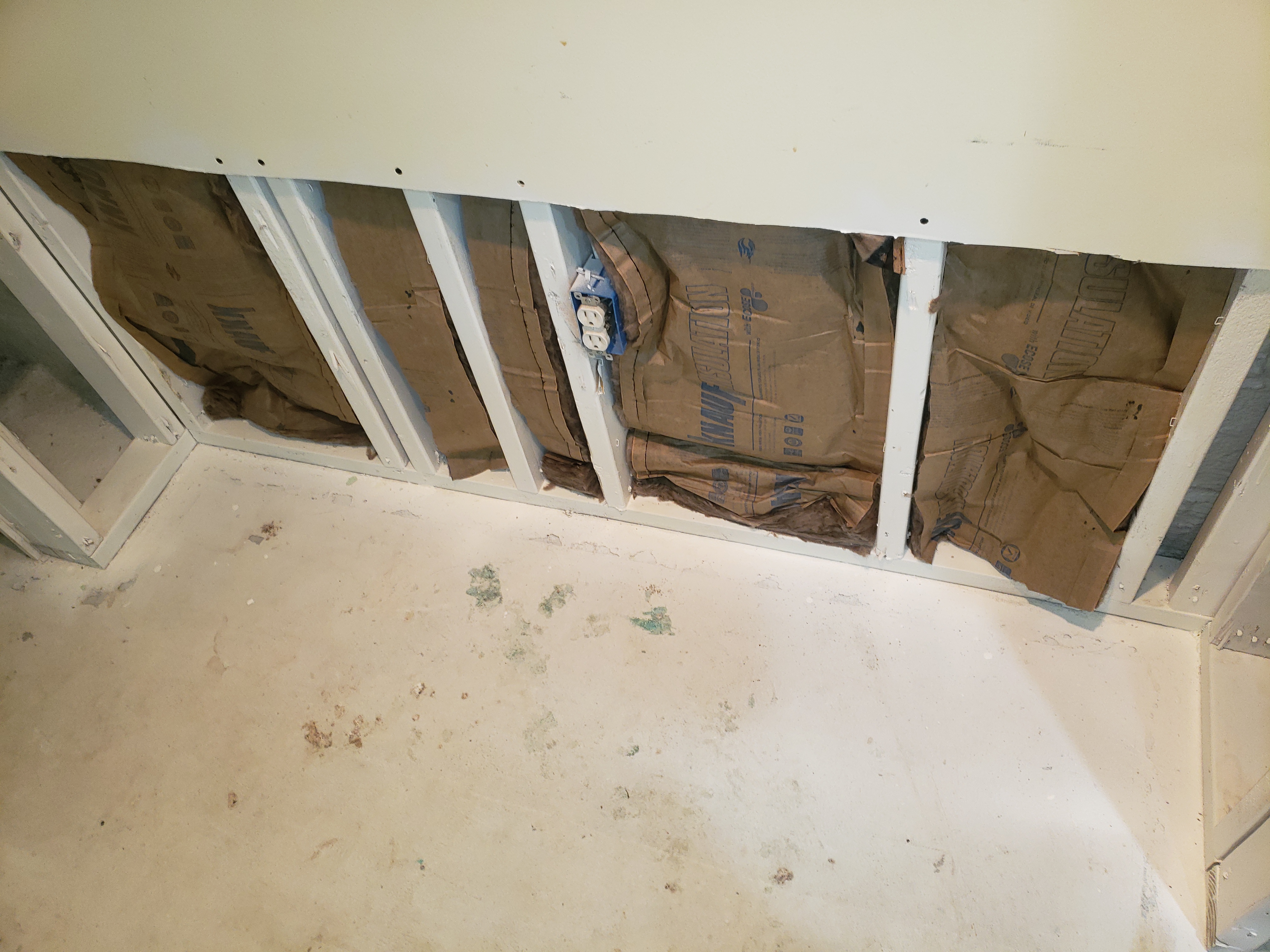
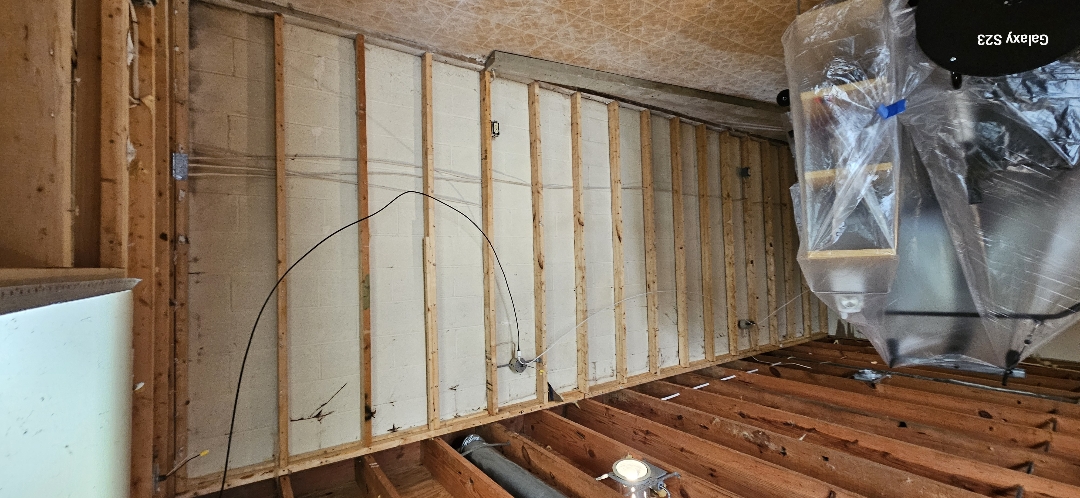
Mold in a D.C. row house rarely stays in one room. It follows party walls, runs up from below-grade units, and hides under flat roofs. MoldGone has been working in District homes since 2006, and we handle the full job: the remediation, the moisture problem behind it, and the demolition and reconstruction needed to put the space back together.
MoldGone is licensed, bonded, and insured to work in Washington, D.C., as well as Maryland and Virginia. That coverage protects you and your property through every phase of the project.
We've completed thousands of mold and water damage projects across the region, from basement units in Petworth to condos in Navy Yard. D.C. clients regularly point to our thoroughness and the way we communicate.
Every technician holds IICRC certifications and has hands-on construction experience. That matters in D.C., where remediation often means opening plaster walls, working around original trim, and rebuilding to match.
MoldGone holds an A+ rating from the Better Business Bureau, an Angi Super Service Award, and five-star reviews across Google, Yelp, and Angi.
We explain what we're doing, why, and what comes next. You'll know the scope, the timeline, and the cost before work starts. No jargon and no surprises.
Carpentry, drywall, plaster repair, painting, flooring, electrical, and plumbing are all done by our team. You don't have to find a separate contractor to close up the walls after the mold is gone.
Much of Washington's housing was built more than a century ago, and it shows in how these buildings handle water. Brick row houses share party walls with their neighbors, so moisture from next door can end up inside your wall. Flat and low-slope roofs with parapet walls are common across Capitol Hill, Shaw, Columbia Heights, and Petworth, and when their flashing fails, water travels a long way before it shows up as a stain on a third-floor ceiling.
Below grade, the District's English basements are some of the most mold-prone spaces in the region. They're often finished with drywall directly against old masonry foundations, they sit below the level of the sidewalk, and many are rented out, which means problems can go unreported for months.
Then there's the infrastructure. Roughly a third of the District is served by a combined sewer system that carries stormwater and sewage in the same pipes. During heavy rain, that system can back up into basements through floor drains, and neighborhoods like Bloomingdale have a long history of basement flooding in major storms. Add D.C.'s humid summers, and any water that gets into a basement or wall cavity has ideal conditions for mold growth.
Mold grows wherever moisture lingers: after a leak, a flood, a sewer backup, or a summer of high humidity in a closed-up basement. Remediation is the process of bringing mold back to normal background levels, what the industry calls "normal fungal ecology." It means finding out why mold is growing, stopping it from spreading while the work happens, removing what's contaminated, and leaving the space healthy to live in.
In a D.C. home, that usually means tracing the water to its real source first. A stain in a second-floor bedroom might start at a parapet cap two floors up. Musty air in a basement unit might come from a foundation wall that's been wicking water for years. We fix what's causing it, then fix the damage.
Request Mold Remediation Service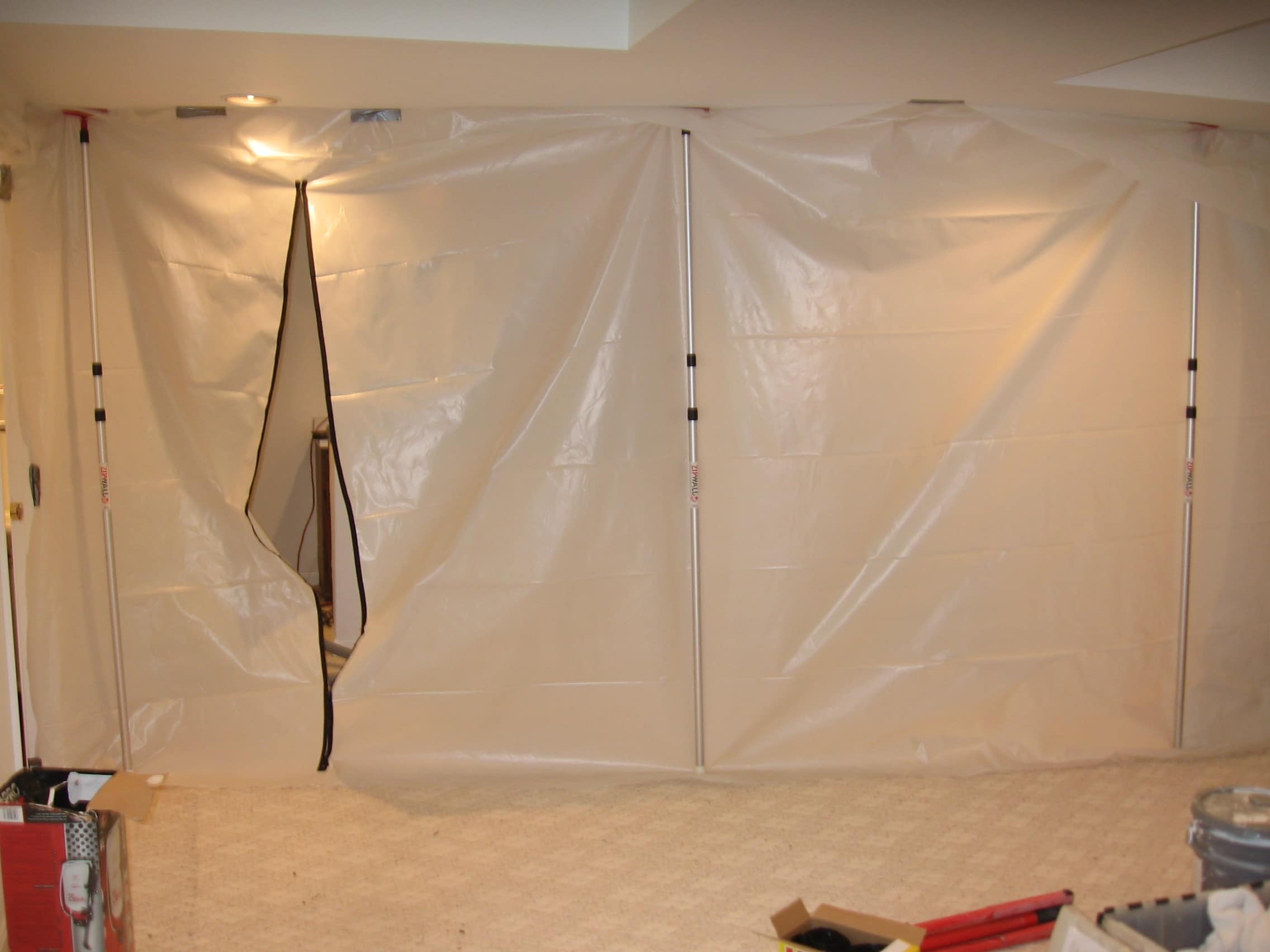
After an in-person consultation at your home, we put together a customized remediation protocol that spells out the treatment methods, the materials, and the pricing before any work begins.
When mold is tied to a covered water event, we document the damage and work with your adjuster so your claim keeps moving and the problem gets resolved.
The work area is sealed off, and HEPA air filtration captures spores and particles during removal. In attached row houses and multi-unit buildings, containment also keeps the work from affecting neighboring rooms and units.
Contaminated drywall, insulation, and carpet are removed and all remaining surfaces are treated with antimicrobials. We also address what caused the mold, whether that's failed roof flashing, a foundation wall, a plumbing leak, or poor ventilation.
Once the area is clear, our team rebuilds it to pre-damage condition: drywall, plaster repair, trim, painting, tile, and flooring. In older D.C. homes, we match existing finishes as closely as possible.
We work in every ward of Washington, D.C. Don't see your neighborhood? We serve the entire District and the surrounding Maryland and Virginia suburbs.
Common questions from row house owners, condo owners, and landlords across the District.
It can. Mold exposure commonly causes allergy-type symptoms like sneezing, congestion, itchy eyes, and skin irritation, and it can trigger asthma attacks in people with asthma. Infants, older adults, and people with compromised immune systems or lung conditions are more sensitive. If anyone in your home has symptoms, talk to a doctor, and have the house evaluated so you know what's in the air.
Moisture can. Party walls in D.C. row houses connect directly to the house next door, so a leak, a failed roof, or a wet basement on one side can show up on the other. During an inspection we look at where the moisture is actually coming from, and if the source is on a neighboring property, we'll document it so you can address it with them.
Small patches on hard surfaces like tile are usually fine to clean. But mold is often like an iceberg: what you see on a wall may be a small part of what's inside it. In older D.C. homes with plaster, lath, and shared walls, DIY cleanup tends to miss the source and spread spores. A professional assessment tells you the real scope.
If you know you have mold, we can usually schedule a consultation within 1 to 2 business days and begin remediation within 3 business days after that. The length of the job depends on how much material has to come out. You'll get a clear timeline before work begins.
Not always. Some situations can be handled with surface cleaning and treatment. Others require removing and rebuilding walls, ceilings, or floors. Because we handle both remediation and reconstruction, we recommend what the situation actually needs.
Photos help us understand what you're seeing, but they can't show what's inside a wall or in the air. We need to inspect in person to give you an accurate evaluation and estimate.
Projects over $5,000 require a deposit before work begins. Before anything starts, you'll receive a detailed contract covering the treatment methods, locations, materials, and pricing.
Our reputation is built on results. Here's what our clients have to say about their experience with MoldGone.
Their team was professional, responsive, and very easy to work with from start to finish. Great company, and we will absolutely use them again!

Technicians Curtis and Henry were on time and explained what would happen each day, excellent customer service and they even wiped down the walls and floor when everything was done.

Kevin was professional and knowledgeable, and instilled great confidence. If you have any concerns about mold, call MoldGone. You won't regret it.
Fill out the form and one of our certified technicians will be in touch within 24 hours to schedule your inspection.
Prefer to talk it through? Give us a call.
Untreated mold and water damage can spread faster than you think. Get a certified team on-site for an inspection and a detailed scope of work.