Our crews carry IICRC certification and use industrial extraction and structural drying on every job. The goal is a property that is fully dry underneath the surface, not just visibly clean, because that is what helps keep problems from showing up later.
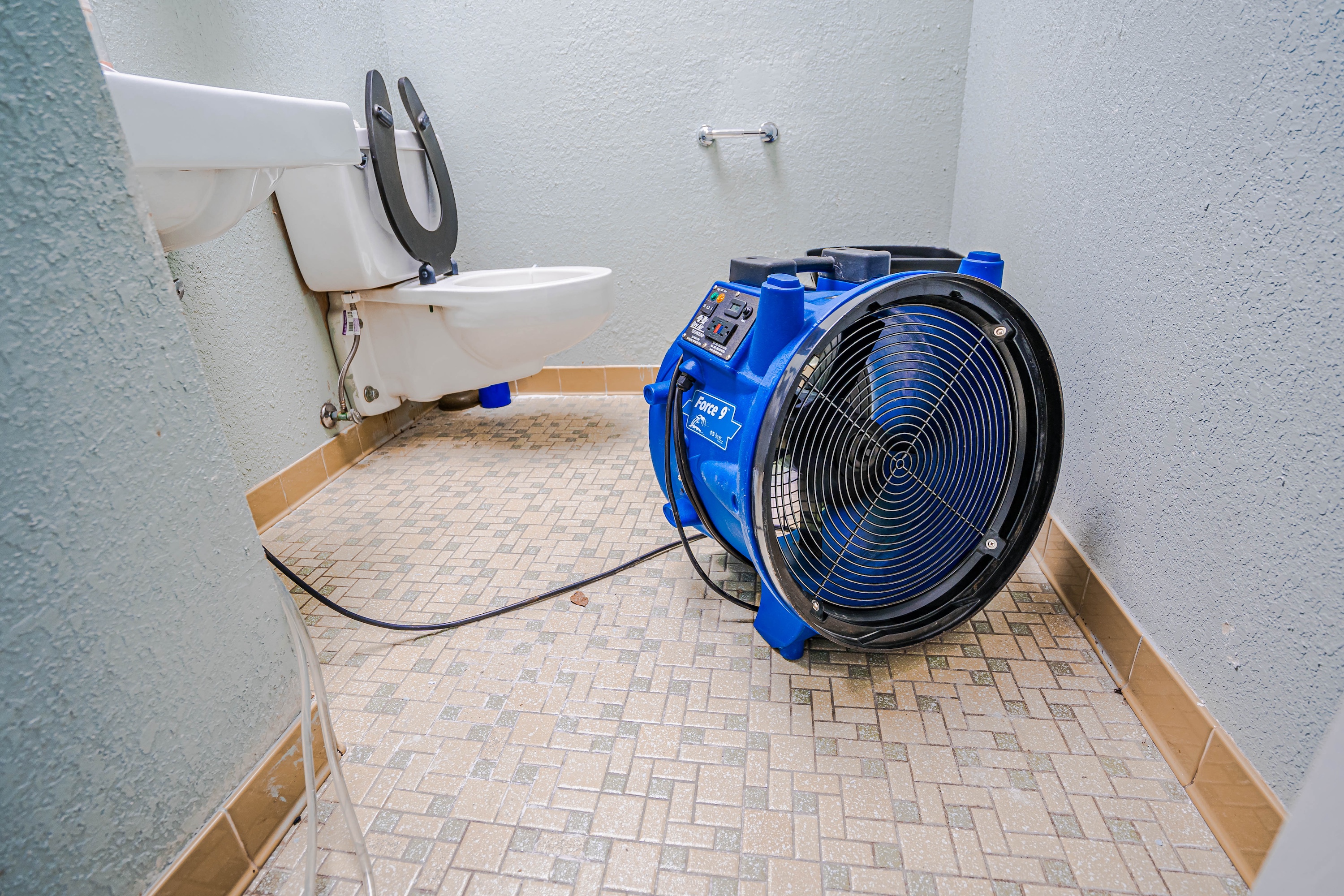
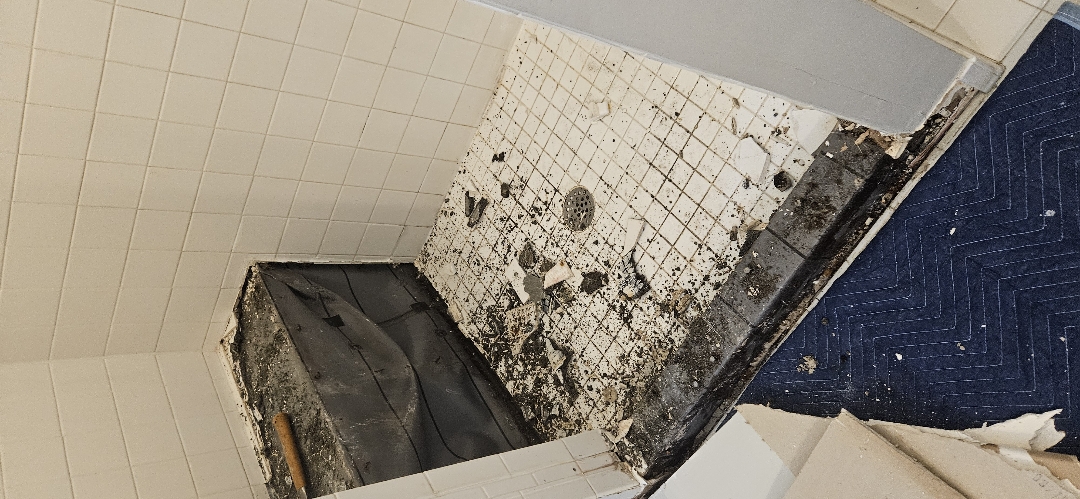
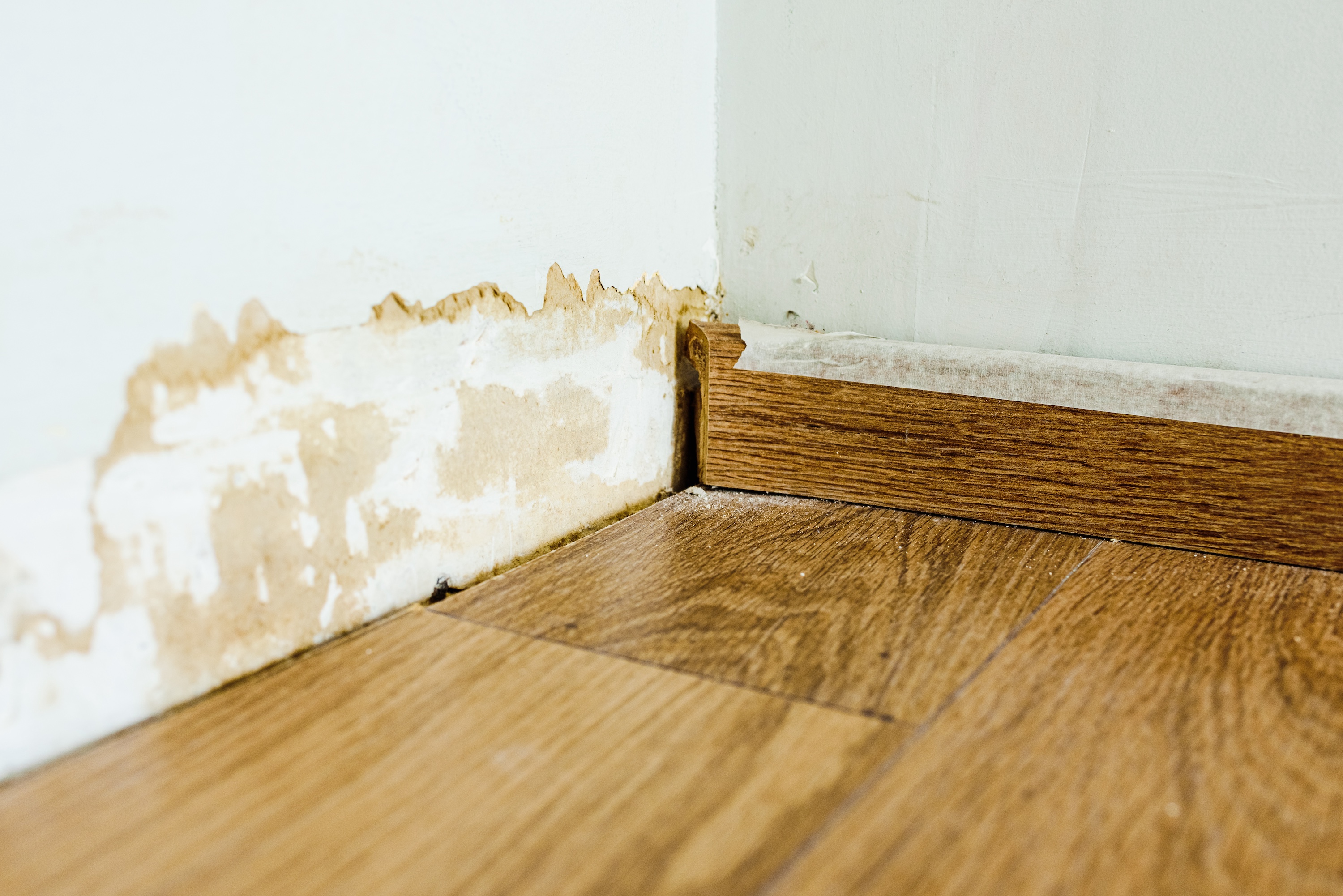
From extraction to final dry-out, we handle every step of water damage restoration with industrial equipment and certified technicians.
Industrial extractors remove standing water from carpet, hardwood, concrete, and crawl spaces. The faster water is removed, the less damage occurs to materials and structure.
Strategic placement of high-velocity air movers and commercial dehumidifiers pulls moisture from drywall, framing, subfloors, and insulation. We monitor moisture levels daily until materials reach safe thresholds.
Antimicrobial treatments applied to wet materials can help prevent mold growth after water exposure. Stops the secondary damage cascade before it starts.
Infrared thermal imaging and moisture meters locate hidden water in walls, ceilings, and under flooring. We map the full extent of damage so nothing gets missed during dry-out.
Category 3 water from sewage backups and flood events requires specialized PPE and disposal protocols. Full remediation including affected porous materials and antimicrobial sanitization.
Books, photos, electronics, and personal belongings can often be saved with proper drying techniques. Specialty freeze-drying, vacuum chambers, and on-site content cleaning available.
Water damage doesn't stop when the leak is fixed. Drywall absorbs moisture, hardwood begins to cup, and insulation traps water against framing. Finding every wet material, not just the visible ones, is what keeps a water problem from turning into a mold problem.
MoldGone brings the equipment to extract water, dry materials, and help stop secondary damage before it starts. We document everything for your insurance, and our IICRC-certified technicians follow the S500 standard for water damage restoration.
Request Service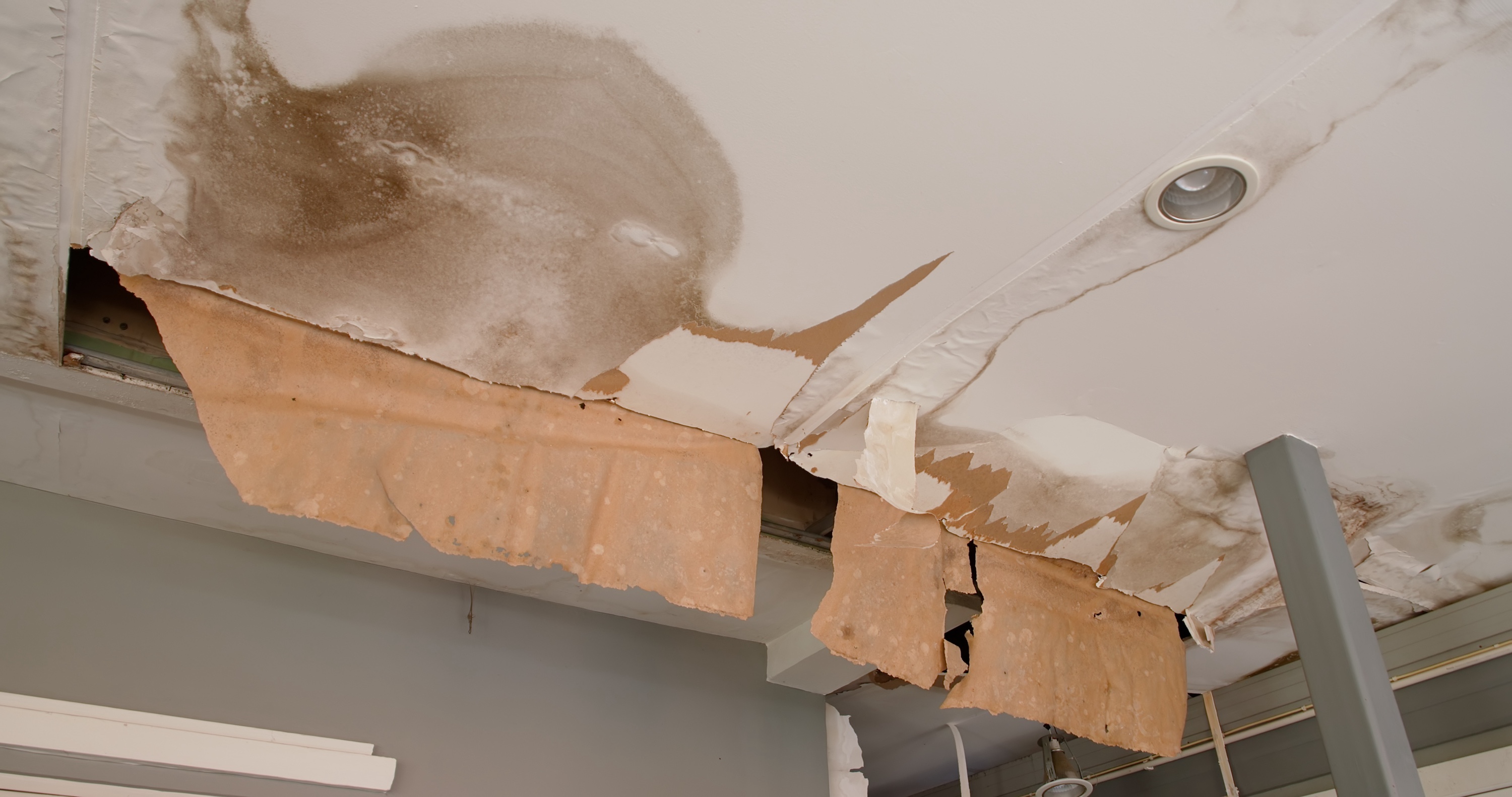
After an in-person consultation, our team drafts a customized remediation protocol outlining treatment methods, materials, and pricing before work begins.
We help you navigate frustrating insurance claims processes to ensure your problem is resolved as quickly as possible.
HEPA air filtration devices capture airborne spores and particles, ensuring contaminants are not transferred through the air during or after removal.
Contaminated materials are safely removed. All remaining surfaces are treated with antimicrobials as outlined in the remediation protocol.
We have the capabilities to complete a full reconstruction of the affected area to pre-damage condition. This includes things such as drywall, painting, tiling, etc.
Common questions about water damage cleanup, drying, and the insurance process.
Once you reach out, we schedule an on-site assessment to map the moisture and define the scope of work. Water extraction and structural drying begin after the assessment. Getting wet materials dried out limits secondary damage to your property.
Most homeowner and commercial policies cover sudden water damage from burst pipes, appliance failures, and storm events. Gradual leaks or flooding may have separate coverage requirements. We document everything thoroughly and work directly with your adjuster on scope and billing.
Standard drying for residential water damage takes 3 to 5 days with proper equipment. The exact timeline depends on the materials affected, how long water sat before extraction, ambient humidity, and the size of the area. We monitor moisture levels daily and remove equipment only when materials reach dry standard.
Category 1 is clean water from supply lines or fresh storm water. Category 2, also called gray water, contains contaminants from appliances or seepage. Category 3, also called black water, includes sewage backups, river or floodwater, and water that has sat long enough to grow bacteria. Each category requires different cleanup protocols, PPE, and disposal procedures.
DIY drying with household fans and dehumidifiers rarely reaches the dry standard required to prevent mold. Without proper equipment, hidden moisture in walls and subfloors keeps materials wet long enough for mold to grow. Professional restoration uses commercial dehumidifiers, high-velocity air movers, and moisture meters to verify materials are truly dry, not just surface dry.
If mold is present, we transition from water mitigation to mold remediation. Affected materials are contained, removed, and disposed of according to IICRC S520 guidelines. Then we test the remediation success and rebuild as needed. Our team handles both processes seamlessly so there's no scheduling gap or coordination issue.
It depends on the extent of damage. Smaller events with localized water are typically restored with you in place. Major losses or sewage events may require temporary relocation while drying equipment runs and contaminated materials are removed. We assess each situation individually, and your insurance may cover loss-of-use expenses if relocation is necessary.
Our reputation is built on results. Here's what our clients have to say about their experience with MoldGone.
During our inspection, he took the time to answer all of our questions. He's very knowledgeable and pleasant!

Their team was professional, responsive, and very easy to work with from start to finish. Great company, and we will absolutely use them again!
He easily could have recommended a full (and expensive) remediation project of our entire kitchen flooring, but gave us an honest answer that likely saved us thousands of dollars at this time - while being realistic we may need to do so in the future.

Fill out the form and we'll reach out to schedule your water damage assessment. Prefer to talk it through? Call us at the number below.
Untreated mold and water damage can spread faster than you think. Get a certified team on-site for an inspection and a detailed scope of work.