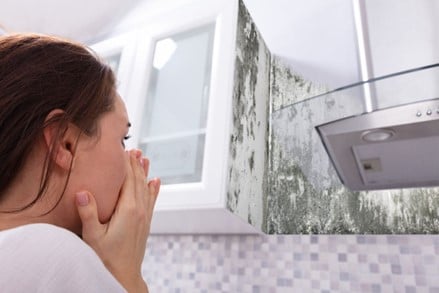
One of the first signs mold is spreading in the corners of the room or apartment is an off musty odor. But how do you know if that strange odor in your room is from dangerous mold spores or just last week's dirty clothes if you don’t know what mold smells like?
In this article, we'll explain how to identify mold based on smell and provide pointers on what signs to look for to better assess when it’s mold or something else.
What Mold Smells Like
Mold smells musty, stale, and earthy, similar to the smell of wet socks or decomposing wood. Although mold smells vary, the following descriptions are among the most common:
OdorDetailed DescriptionMusty and StaleWet, dirty socks or stifling attic that hasn't been ventilated in monthsEarthyRotting wood, a deep forest, or the earth beneath decaying leavesDampSimilar to washed dog fur or a smelly locker roomRotting or FermentingAging cheese, decaying fruit, or fermented alcoholSour and TangyArmpit odor after a strenuous jog
- Mold has a nasty, unpleasant odor that becomes stiffer as the mold spreads and sporulates (produces spores).
- Mold smells "musty" and "stale," according to the most accurate descriptors. The musty stench is caused by a jumble of MVOCs (Microbial Volatile Organic Compounds) that the mold produces and releases into the air. MVOCs are also accountable for overtones of earthiness, decaying, or sourness, in addition to mustiness.
- Mold commonly follows precipitation or moisture problems in your home or apartment. The common theme is dampness. Mold odor is always accompanied by the smell of wetness or humidity because mold requires plentiful moisture to spread and multiply.
- Severe mold and moisture problems can also cause the organic elements (wood, drywall, fabric for example) that make up sites where mold grows to rot and decay.
- Ordinary bathroom mold or mildew that grows between shower tiles doesn't stink like rot, but extensive mold growth on ceilings and walls can smell like rotting wood or rotten cheese, especially after a flood or leak.
Why Mold Smells
It's easier to know how mold smells like if you understand how mold produces odor. As mold thrives and spreads, it produces a variety of gaseous compounds as a byproduct of its metabolism.
These molecules are known as "Microbial Volatile Organic Compounds" in scientific language (MVOCs). Over 200 substances have been identified as Micro-volatile organic compounds (MVOCs), including strong-smelling molecules found in the table below:
CompoundWhat It Smells LikeAldehydesAcidic, rusty, starchy, waxy, or sweetBenzenesGasolineTuloenesPaints and paint thinnersEthanolHand sanitizerKetonesOverripe fruit, nail polish remover or a metallic stenchEstersSweet and fruity like ripe bananasCarboxylic AcidsSour, tart, often unpleasant, and occasionally rotten acidicLactonesMilky, creamy, sometimes fruityTerpenesUnpleasant odors that range from lemony to cheesy to skunkySulfur & Nitrogen CompoundsRotting eggs and ammonia
Mold emits a variety of MVOCs, which vary in chemical composition based on the species and stage of its life cycle. As a result, mold odors can shift and vary.
Household Odors that Smell Like Mold
While mold is by far the most typical indoor air quality issue that results in unusual odors in your home, there are other explanations. Other household odors typically mistaken for mold include:
- Wet/dirty laundry
- Garbage in the kitchen and bathroom
- Refrigerator, garbage disposal, and dishwasher scents
- Pet scents
- Problems with rodents or other pests
- Natural gas leakages
- Problems with the HVAC system
- Sewage back-up
Tired of Smelling Mold?
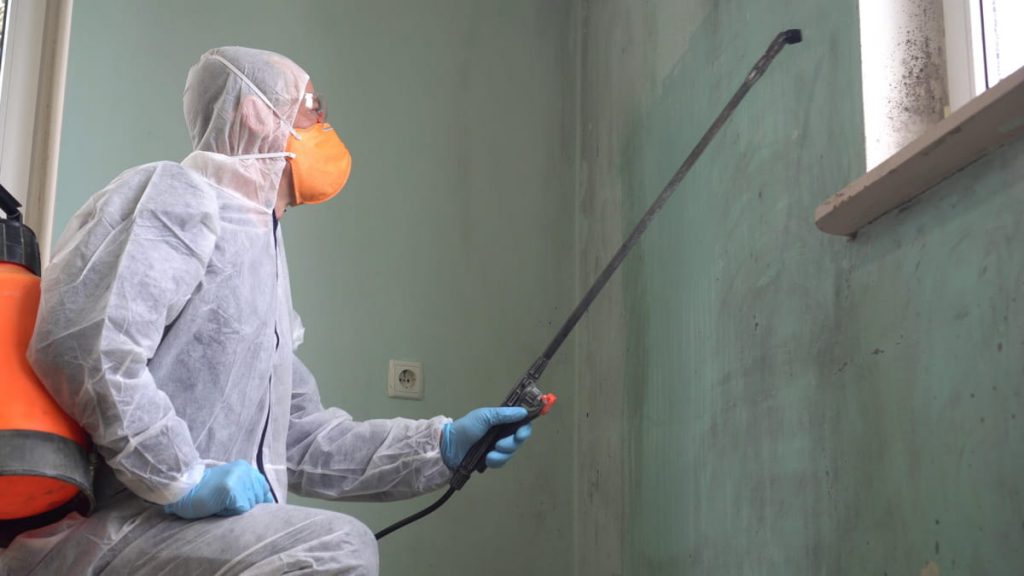
Mold leaves its mark in many different ways – not just visually but through your nose. We’ve been helping families in DC, MD, and VA maintain clean, healthy homes since 2005 with our professional mold treatment services.
Don’t leave your mold problems to chance.
Schedule an appointment here or call us today at 240-970-6533!