Between the harbor, the Jones Falls, an aging sewer system, and more than a century of rowhome construction, Baltimore homes see water damage from every direction. MoldGone extracts the water, dries the structure all the way through, and rebuilds, working from our base in nearby Columbia.
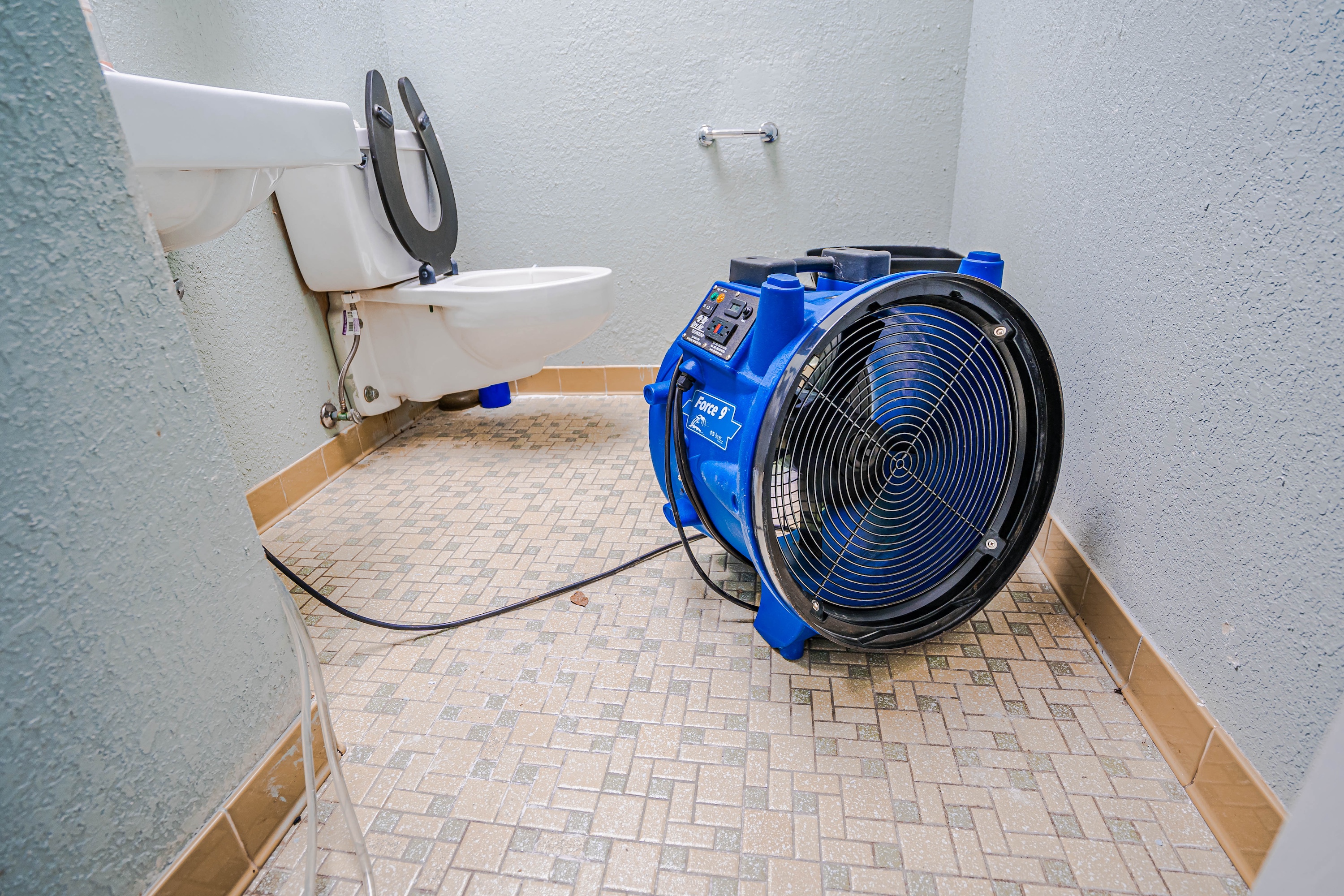
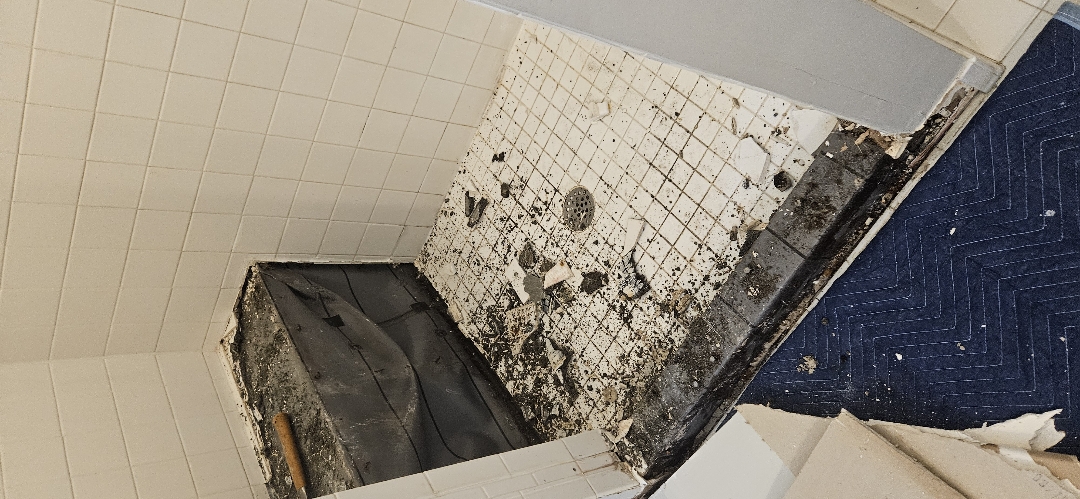
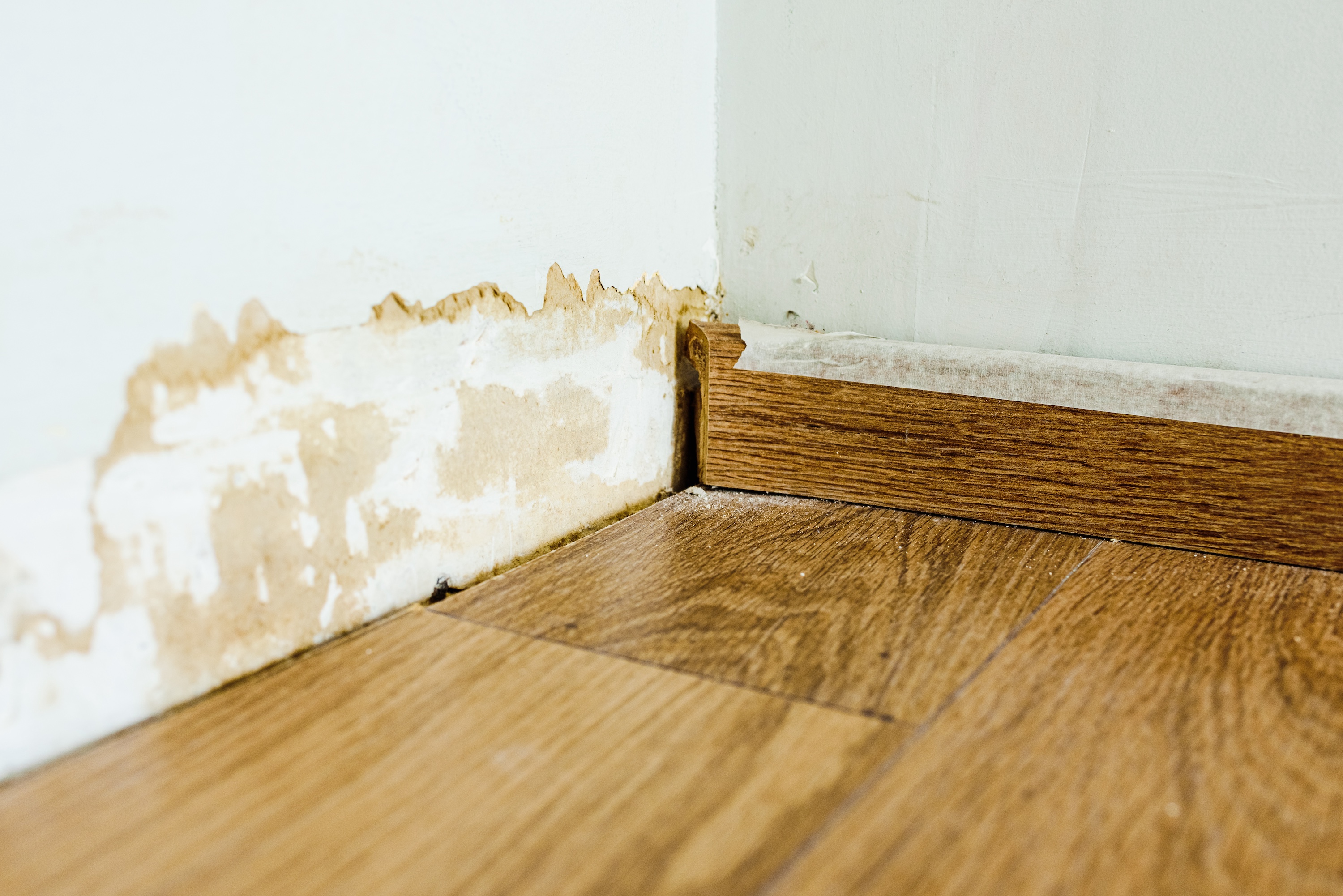
We handle Baltimore water damage from extraction through final dry-out and rebuild, using commercial equipment and IICRC-certified technicians.
Industrial extractors remove standing water from cellars, finished basements, carpet, hardwood, and concrete. Getting the bulk of the water out first cuts down on drying time and damage.
Air movers and commercial dehumidifiers are placed to pull moisture from drywall, plaster, framing, subfloors, and insulation. We check moisture levels every day until materials reach a safe dry standard.
We apply antimicrobial treatments to wet materials to help prevent mold growth while the structure dries, which is especially important in Baltimore's humid summers.
Thermal imaging and moisture meters locate hidden water in walls, ceilings, and floors, including moisture that's wicked up from a wet cellar floor into the walls above.
Basement sewer backups and floodwater are Category 3. We handle them with full protective equipment, removal of affected porous materials, and antimicrobial sanitization.
Photos, papers, books, electronics, and other belongings can often be recovered with specialty drying methods, including freeze-drying and vacuum drying.
Most Baltimore water damage starts in one of three places. The first is the cellar. Many rowhomes and older houses sit on fieldstone or brick foundations that were never waterproofed, and heavy rain, high groundwater, or a failing downspout pushes water through the walls and up through the floor. Once a cellar is finished into living space, that water gets trapped behind drywall and under flooring.
The second is the roof. Flat roofs on rowhomes and rear additions are common across Canton, Federal Hill, Hampden, and Highlandtown, and when the coating or flashing fails, water can travel along joists and party walls before it shows up inside.
The third is the city's infrastructure. Baltimore's aging sewer lines can back up into basements during heavy storms, bringing contaminated water into the lowest level of the house. Low-lying waterfront neighborhoods like Fells Point, Canton, and Locust Point also face tidal and storm flooding. Hurricane Isabel pushed harbor water into Fells Point streets in 2003, and strong storms still bring nuisance flooding to the waterfront.
Water damage keeps spreading after the leak stops. Plaster and drywall soak up moisture, hardwood starts to cup, and insulation holds water against the framing. In an older Baltimore home, water moves through stone and brick and along joists well past the spot where it first showed up. If one wet wall gets missed, it's usually the one that grows mold by fall.
We bring commercial extraction and drying equipment to the property, track moisture readings until the house is truly dry, and keep a record of all of it for your insurance claim. Our IICRC-certified technicians work to the S500 standard for water damage restoration.
Request Service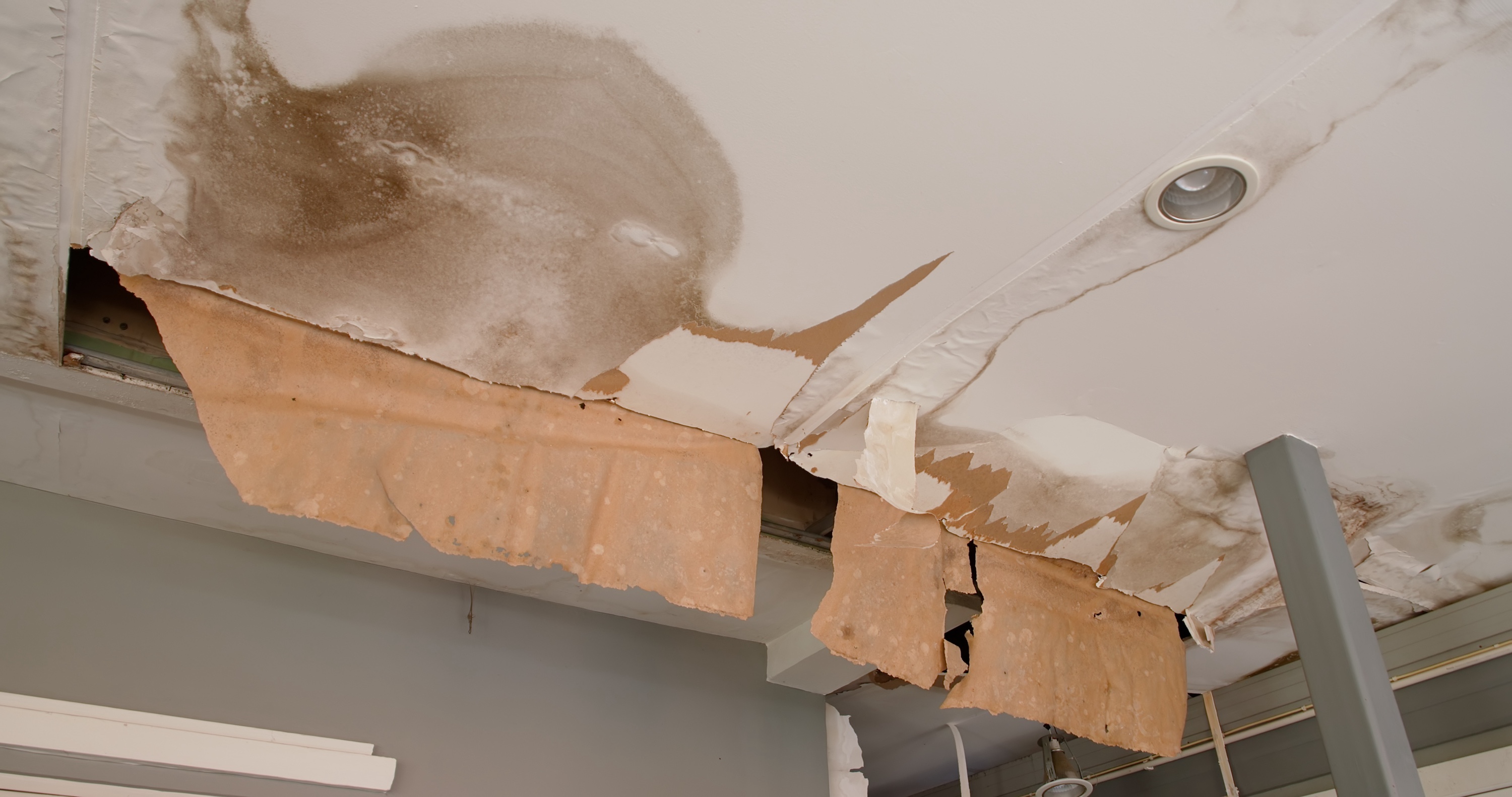
After an in-person consultation, you'll get a written scope covering the drying plan, materials to be removed, and pricing before work begins.
We record the loss with photos, moisture readings, and daily drying logs, and we work directly with your adjuster on scope and billing.
HEPA air filtration captures particles during demolition and drying so contaminants don't spread through connected floors and shared stairwells.
Materials that can't be dried, or that were exposed to contaminated water, are removed. Remaining surfaces are cleaned and treated with antimicrobials.
Once the structure is verified dry, our team rebuilds with drywall, plaster repair, trim, painting, tile, and flooring, finished to match your home.
We restore homes throughout Baltimore City and Baltimore County. Don't see your neighborhood? We also serve Howard and Anne Arundel counties.
Common questions about wet cellars, sewer backups, drying, and insurance in Baltimore homes.
When you contact us, we set up an on-site assessment to map the moisture and define the scope. Extraction and structural drying start after the assessment. Drying out wet materials limits secondary damage to your home.
Yes. We extract the water, dry the space, and remove any finished materials that can't be saved. We'll also help identify where the water is coming in, whether that's a downspout, grading, a foundation crack, or groundwater, so you can address the cause. Repeated flooding in a finished basement almost always leads to mold if the source isn't fixed.
Most homeowner policies cover sudden water damage from burst pipes, appliance failures, and similar events. Sewer backup and flood damage are often excluded from standard policies and covered only through a separate endorsement or flood insurance. We document the loss thoroughly and work directly with your adjuster.
Most residential drying takes 3 to 5 days with commercial equipment. Plaster, hardwood, and masonry, which are common in older Baltimore homes, can take longer. We track moisture levels daily and remove equipment only after materials reach dry standard.
Household equipment dries surfaces but rarely gets walls, subfloors, and insulation to the dry standard that prevents mold. Professional drying uses commercial dehumidifiers and air movers, and moisture meters confirm materials are dry throughout, not just on the surface.
We move from water mitigation to mold remediation. Affected materials are contained, removed, and disposed of following IICRC S520 guidelines, and then we rebuild. One team handles both, so there's no scheduling gap.
For smaller, localized damage, most people stay home during restoration. Larger losses or sewage backups may require temporary relocation while contaminated materials are removed and drying equipment runs. Your policy may cover loss-of-use expenses if you need to relocate.
Our reputation is built on results. Here's what our clients have to say about their experience with MoldGone.
I would recommend using this company based on their integrity.

During our inspection, he took the time to answer all of our questions. He's very knowledgeable and pleasant!

John did a fantastic job fixing up our bathroom after a mold issue. He was professional, thorough, and went above and beyond - even taking the time to clean our exhaust fan, which we didn't expect!
Fill out the form and we'll reach out to schedule your water damage assessment. Prefer to talk it through? Call us at the number below.
Untreated mold and water damage can spread faster than you think. Get a certified team on-site for an inspection and a detailed scope of work.