Water in a D.C. home rarely stays where it lands. It runs along party walls, soaks into plaster, and settles into below-grade units. Our IICRC-certified crews extract it, dry the structure until it's dry below the surface, not just on top, and rebuild what the water ruined.
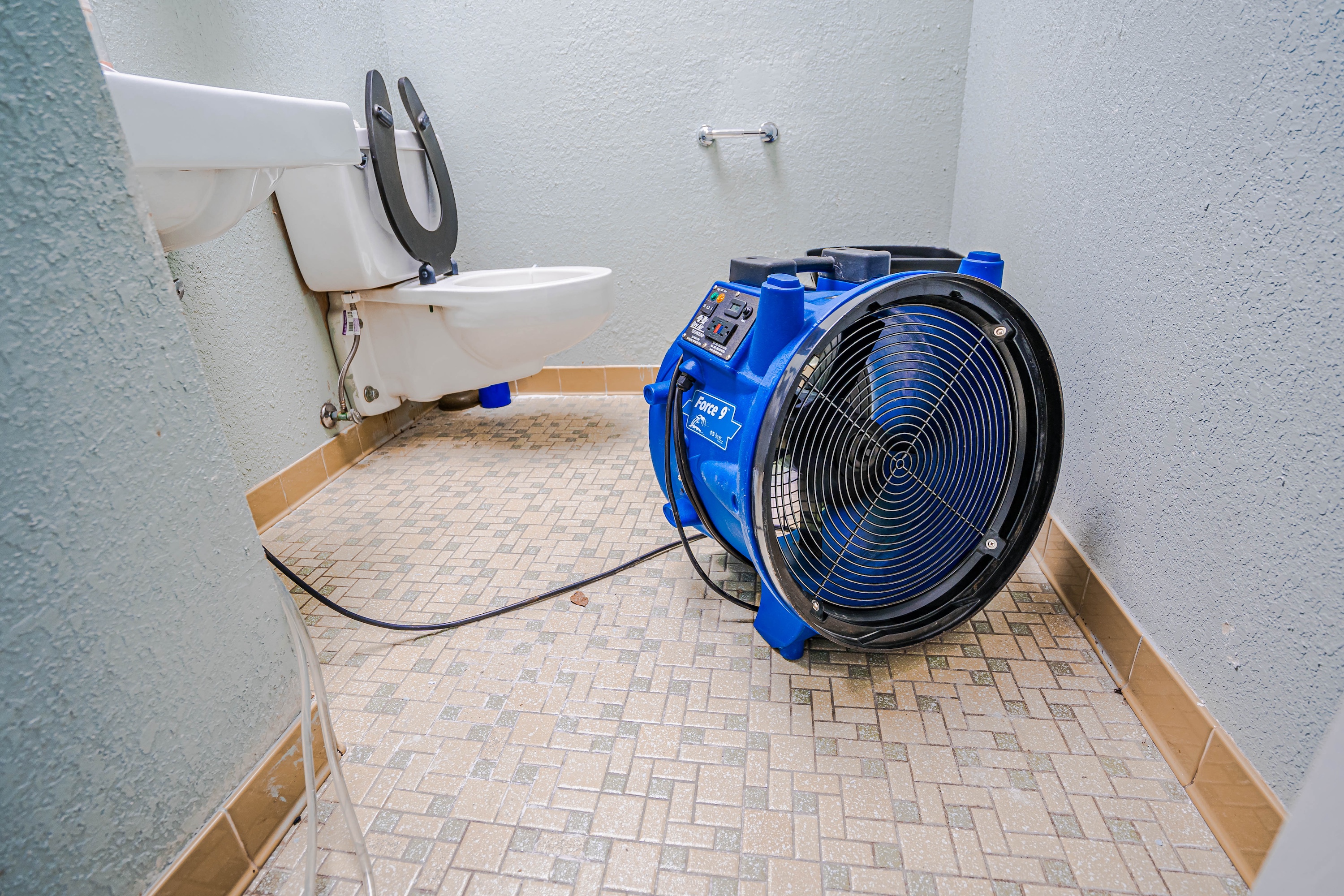
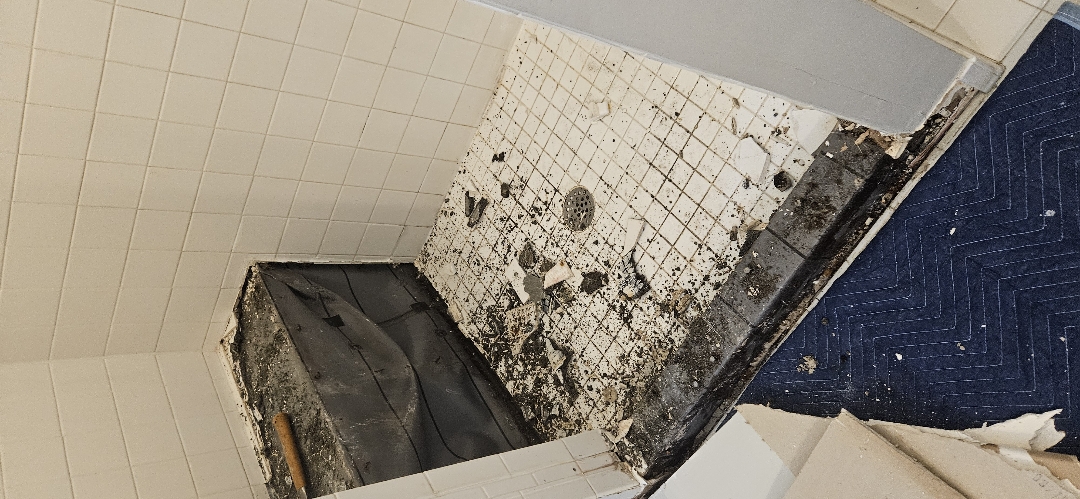
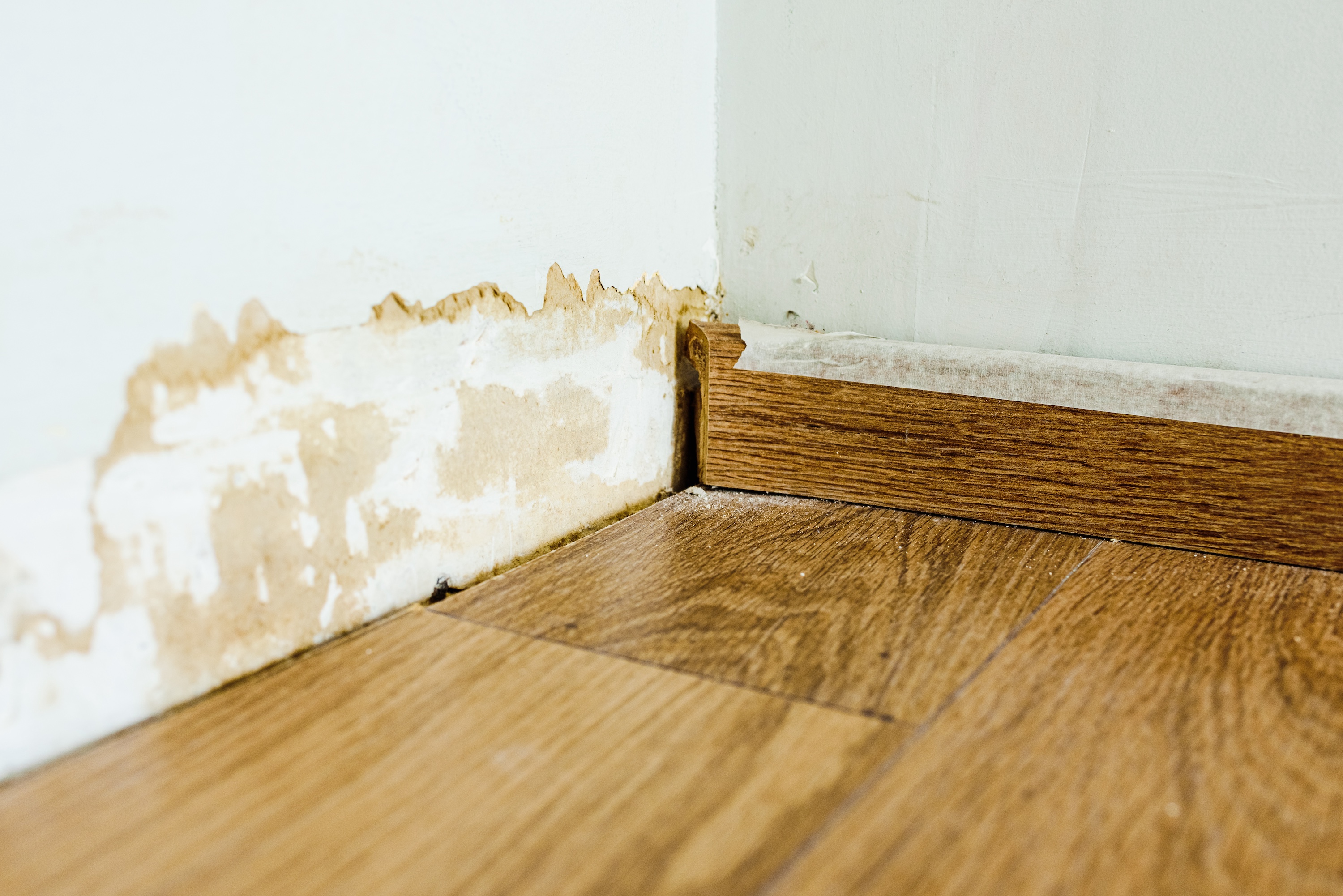
From the basement unit to the roof deck, we handle every step of water damage restoration with commercial equipment and certified technicians.
Industrial extractors pull standing water out of carpet, hardwood, concrete, and English basement units. The more water we remove up front, the less soaks into the structure and the shorter the drying process.
High-velocity air movers and commercial dehumidifiers draw moisture out of drywall, plaster, framing, subfloors, and insulation. We take moisture readings daily until every material reaches a safe dry standard.
Antimicrobial treatments on wet materials help keep mold from taking hold while the structure dries. That matters in D.C., where summer humidity gives mold a head start.
Thermal imaging and moisture meters find water inside walls, under floors, and in ceilings. In row houses, where water can travel from a roof or a neighboring property before it shows up, mapping the full extent keeps anything from being missed.
Sewer backups through basement floor drains are a real risk in the parts of D.C. served by the combined sewer system. Category 3 water calls for full protective equipment, removal of affected porous materials, and antimicrobial sanitization, and we handle all of it.
Books, photos, papers, electronics, and other belongings can often be saved with the right drying methods, including specialty freeze-drying and vacuum drying.
D.C.'s older housing stock takes on water in a few predictable ways. Flat and low-slope row house roofs depend on flashing at parapets, chimneys, and skylights, and when it fails, water can run inside the walls for a floor or two before it's visible. Party walls connect you to the house next door, so a leak on their side can end up on yours. Radiator lines, original cast-iron drains, and decades-old supply pipes add plumbing risk in older homes.
Below grade, English basements take the brunt of it. In the older core of the city, the combined sewer system carries sewage and stormwater together, and during intense storms it can back up through floor drains. Neighborhoods like Bloomingdale and LeDroit Park have a long history of basement flooding in heavy rain. Elsewhere, poor grading, clogged areaway drains, and failed window wells send water straight into below-grade units.
In the city's condo buildings, from Navy Yard to Logan Circle, water damage more often comes from the unit above: a failed supply line, an overflowing tub, or an HVAC condensate line. That raises questions about who's responsible, which is another reason thorough documentation matters.
Water damage doesn't stop when the leak is fixed. Plaster and drywall absorb moisture, hardwood floors start to cup, and insulation holds water against framing. In a D.C. row house, the wet area can extend into spaces you'd never think to check: the cavity behind a party wall, the joist bay under a bathroom, the floor of the unit downstairs. That's why we map the whole structure before we set up a single fan.
Our crews arrive with extraction and drying equipment sized for the job, and every step is recorded for your insurer, from the first moisture map to the final dry readings. The work follows the IICRC S500 standard, the benchmark adjusters and restoration professionals use for water damage.
Request Service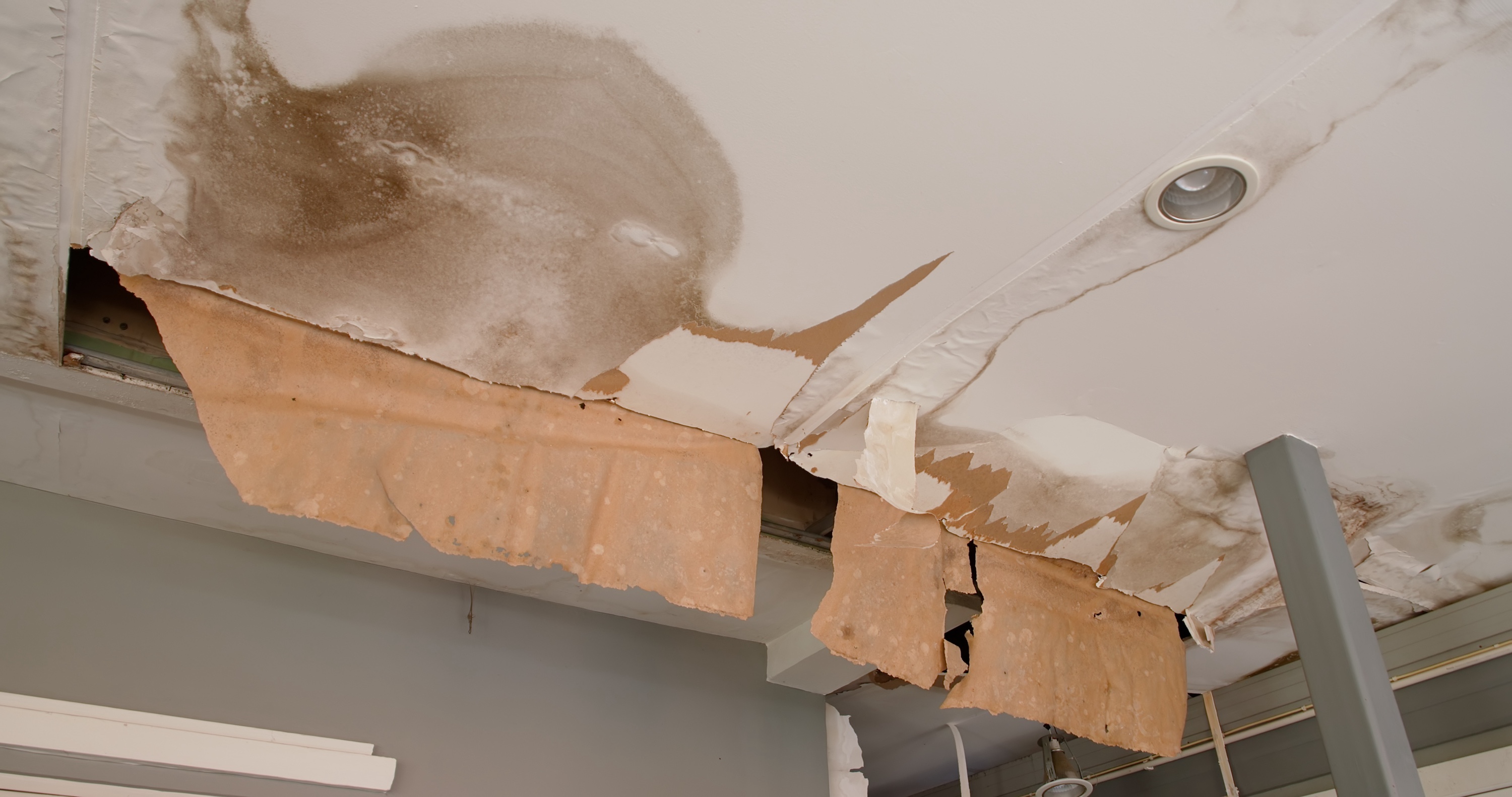
After an in-person consultation, we put together a written scope that outlines the drying plan, materials to be removed, and pricing before any work begins.
We document the loss thoroughly, with photos, moisture readings, and drying logs, and work directly with your adjuster on scope and billing.
HEPA air filtration captures airborne particles during demolition and drying, keeping contaminants from spreading through the house or into neighboring units.
Materials that can't be dried or were exposed to contaminated water are removed. Remaining surfaces are cleaned and treated with antimicrobials.
Once everything is verified dry, our team rebuilds: drywall, plaster repair, trim, painting, tile, and flooring, matched to your home's existing finishes.
We restore homes, condos, and rental units throughout the District. Don't see your neighborhood? We serve all eight wards and the surrounding Maryland and Virginia suburbs.
Common questions about basement backups, drying, insurance, and restoring older District homes.
Once you reach out, we schedule an on-site assessment to map the moisture and define the scope of work. Water extraction and structural drying begin after the assessment. Getting wet materials dried out limits secondary damage to your property.
Treat it as contaminated water. Sewer backup is Category 3, so keep kids and pets out of it, don't try to mop it up without protection, and don't run your HVAC if the system is in the affected area. Photograph everything, then call for an assessment. Porous materials that touched the water, like carpet, pad, and the bottom of drywall, generally need to be removed rather than dried.
Most homeowner and condo policies cover sudden water damage from events like burst pipes and appliance failures. Sewer backup and surface flooding are often handled differently, frequently through a separate endorsement or flood policy. We document everything thoroughly and work with your adjuster, but check your declarations page for backup coverage.
Standard residential drying usually takes 3 to 5 days with proper equipment. Plaster walls, hardwood, and masonry, all common in older D.C. homes, can take longer. We monitor moisture levels daily and only remove equipment once materials reach dry standard.
Household fans and dehumidifiers dry surfaces, but they rarely get materials to the dry standard that prevents mold. Moisture trapped in walls, subfloors, and insulation stays wet long enough for growth to start. Professional drying uses commercial equipment and moisture meters to confirm materials are dry throughout.
Then the job shifts from water mitigation to mold remediation. Affected materials are contained, removed, and disposed of following IICRC S520 guidelines, and the area is rebuilt afterward. We handle both, so there's no gap between contractors.
It depends on the extent of the damage. Smaller, localized losses are usually restored while you stay home. Larger losses or sewage events may require temporary relocation while equipment runs and contaminated materials are removed. If relocation is necessary, your policy may cover loss-of-use expenses.
Our reputation is built on results. Here's what our clients have to say about their experience with MoldGone.
Kevin came out quickly and gave a very straightforward estimate about what he thought was needed vs other companies that tried to scare us into more costly work.

Kevin was professional and knowledgeable, and instilled great confidence. If you have any concerns about mold, call MoldGone. You won't regret it.
They arrived exactly on time, and were extremely professional and knowledgeable. They conducted the inspection thoroughly but in a time efficient manner, and were straightforward in describing each step and what their results were.
Fill out the form and we'll reach out to schedule your water damage assessment. Prefer to talk it through? Call us at the number below.
Untreated mold and water damage can spread faster than you think. Get a certified team on-site for an inspection and a detailed scope of work.