Cleaned it more than once and it’s back again? Recurring mold is a moisture problem that hasn’t been found yet. MoldGone identifies the source and removes the growth across D.C., Baltimore, Maryland, and Virginia. Call (240) 970-6533 or schedule an inspection.
You scrubbed it. Maybe you bleached it. It looked clean for a month, maybe two. Now the same gray-green patch is back on the same corner of the same ceiling, in almost exactly the same shape.
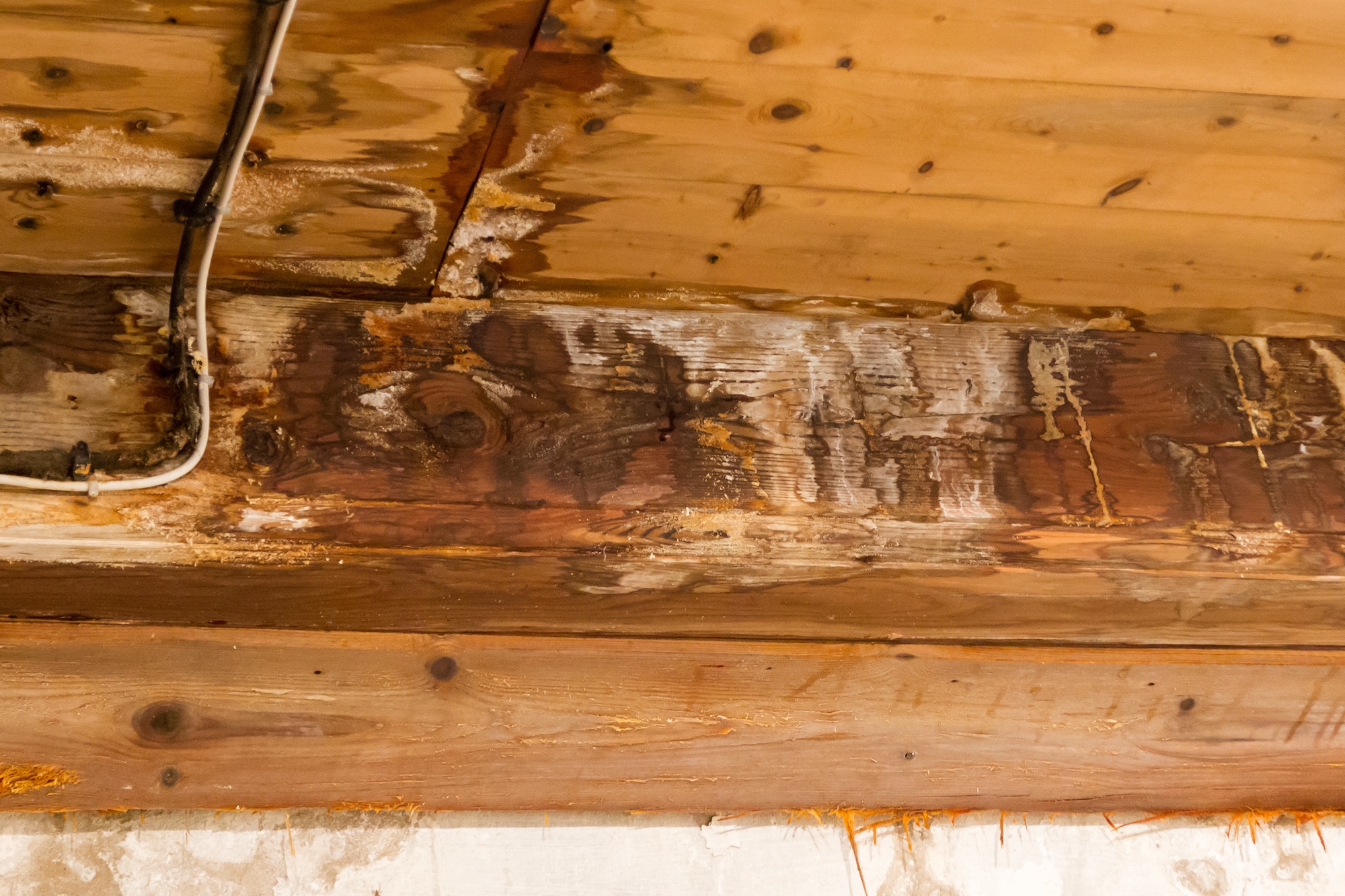
That’s not bad luck and it’s not a stronger strain of mold. Mold that returns to one spot is telling you two things: there’s a moisture source there that hasn’t been fixed, and the growth was probably never fully removed in the first place.
Here’s how to read what it’s telling you, and what actually makes it stop.
The Short Answer
- Mold needs moisture. If it keeps coming back to one spot, something keeps that spot wet: a leak, condensation, poor ventilation, or high humidity.
- Surface cleaning doesn’t remove growth from porous materials. Drywall, wood, grout, and caulk hold growth below the surface that a wipe-down never reaches.
- Bleach isn’t a fix for porous surfaces. It can lighten the stain without removing the growth underneath, and EPA guidance is that the goal is removal, not just killing mold, because dead mold can still cause allergic reactions.
- The fix is two parts: find and stop the moisture, then physically remove the contaminated material. Doing only one of those is why it comes back.
Why Mold Comes Back: The Five Usual Causes
1. The moisture source was never found
This is the big one. Mold spores are in the air everywhere, indoors and out. What decides whether they grow is moisture. Clean a spot without changing the conditions that made it wet, and you’ve just cleared space for the next round.
Recurring spots usually trace back to one of these:
- A slow plumbing leak in the wall or ceiling above the growth: a drain line, a supply fitting, a wax ring under a toilet on the floor above
- A roof, window, or flashing leak that only shows up in certain weather, which is why the mold seems to come and go
- Condensation on a cold surface where warm, humid indoor air meets it
- Poor ventilation in bathrooms, laundry rooms, and kitchens
- High indoor humidity overall. EPA recommends keeping indoor relative humidity below 60 percent, ideally between 30 and 50 percent
2. The growth was cleaned, not removed
Mold on a non-porous surface like glass, tile, or a sealed countertop sits on top and can be cleaned off. On porous and semi-porous materials it doesn’t stay on the surface. It grows into drywall paper and gypsum, into wood grain, into grout and caulk.
Wiping or spraying those surfaces removes what you can see and leaves what you can’t. Put moisture back and it regrows from what was left behind, usually in the same outline.
3. Bleach was used on a porous surface
Bleach whitens. That’s why it feels like it worked. On a porous surface, the visible discoloration fades while growth inside the material is left behind. And the job isn’t really to kill the mold anyway. Dead mold particles can still trigger allergic and respiratory reactions, so EPA guidance focuses on physically removing contaminated material rather than leaving treated growth in place. Our post on cleaning mold with alcohol, bleach, or vinegar goes into more detail.
4. It was painted over
Mold-resistant paint and stain-blocking primer have a place, on clean, dry, sound surfaces. Over active growth they just cover the evidence. The growth continues under the paint film and usually shows up again as blistering, peeling, or a stain bleeding back through.
5. What you’re seeing is only the edge of it
A spot that keeps reappearing on the face of a wall or ceiling is often the visible edge of a larger area behind it: the back of the drywall, the insulation, the framing. Cleaning the front does nothing about the back, and the back is where the moisture is.
Where Recurring Mold Shows Up (and What It Usually Means)
- Bathroom ceiling above the shower: Exhaust fan too small, not running long enough, or venting into the attic instead of outside
- Corners of exterior walls and closets: Cold wall surfaces with limited air circulation, often combined with missing or settled insulation
- Behind furniture or beds against exterior walls: Same as above. The furniture blocks warm air from reaching a cold wall, and condensation forms behind it
- Window sills and frames: Condensation on cold glass in winter, or a window leak during storms
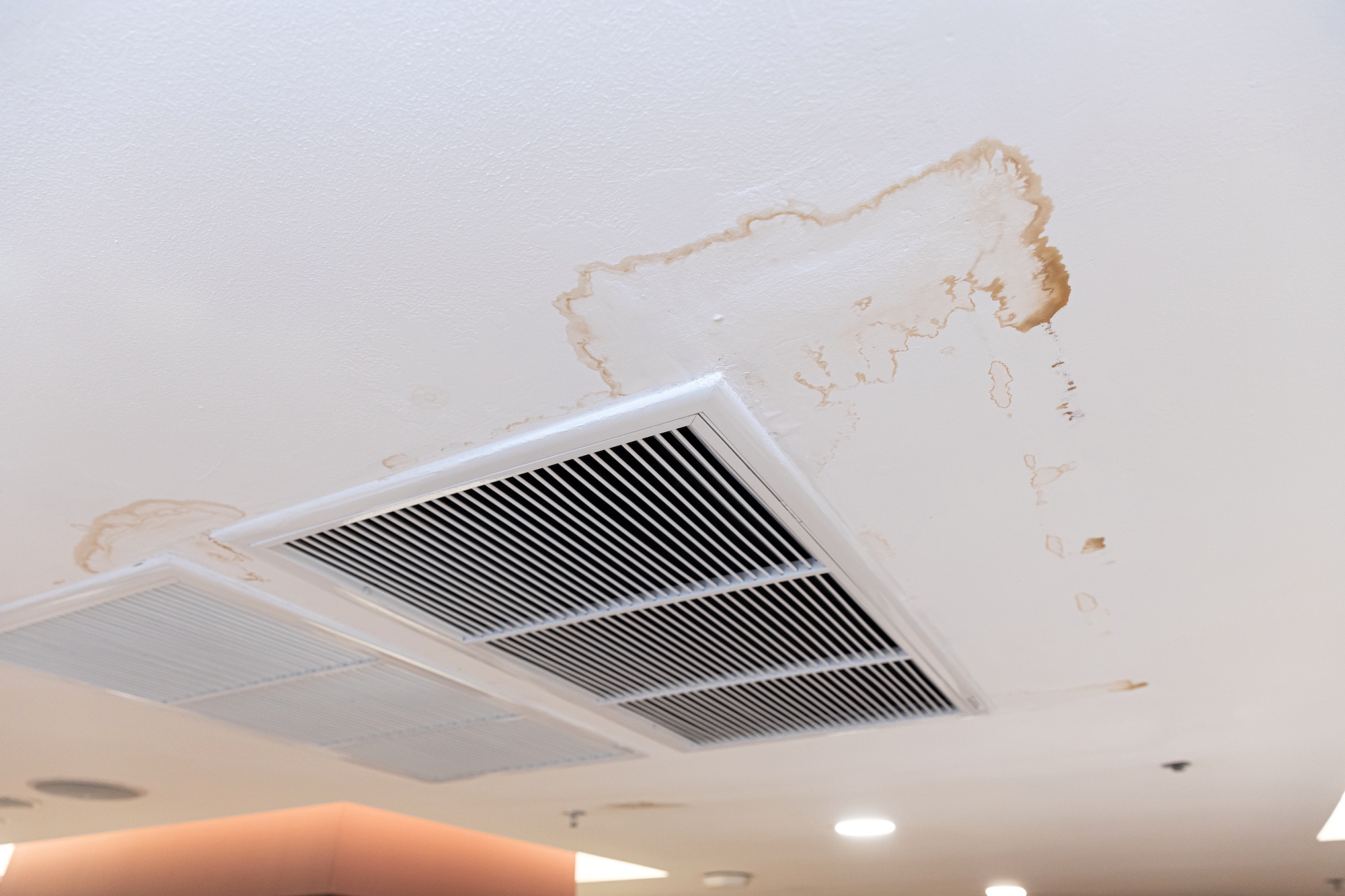
- Around ceiling supply registers in summer: Cold, conditioned air meeting humid air around the register, or ductwork sweating in the attic or ceiling
- Base of basement walls: Seepage, hydrostatic pressure, or high basement humidity
- Under the kitchen or bathroom sink: A slow drain or supply leak, often intermittent
- Ceiling below a bathroom: Failed tub or shower seal, toilet wax ring, or a drain line leak
A pattern that tracks the seasons is useful information. Mold that flares in winter points toward condensation. Mold that flares in summer points toward humidity or cold ducts and registers. Mold that appears after storms points toward a water intrusion leak.
DMV note: The region makes recurring mold especially common. Long humid summers keep indoor humidity high in any space that isn’t well conditioned, so basements, crawl spaces, and closets on the north side of the house can sit above 60 percent relative humidity for months. Winters are cold enough to create condensation on exterior walls and windows in older homes with little insulation. Many D.C. and Baltimore row homes have solid masonry exterior walls that stay cold and damp on the inside face. Many suburban Maryland and Northern Virginia homes have finished basements with drywall installed directly against foundation walls. Both set up the same spot to get wet again and again. See our post on the worst times of year for mold in D.C. and Baltimore for the seasonal pattern.
How to Actually Make It Stop
Step 1: Find the moisture source
This is where a professional inspection earns its keep. A mold inspection isn’t just looking at the stain. It’s finding out why that spot is wet. That means moisture meters and thermal imaging to trace water inside walls and ceilings, humidity readings, checking ventilation and HVAC, and looking at the building exterior and plumbing near the affected area. For more on what an inspection covers, see our property inspection and testing services.
Step 2: Fix the source
Depending on what the inspection finds, that could mean a plumbing repair, a properly sized and vented bath fan, re-flashing a window, adding insulation to a cold wall, a dehumidifier in the basement, or correcting grading and downspouts outside. The fix doesn’t have to be expensive. It has to be the right one.
Step 3: Remove the contaminated material
For small patches on non-porous surfaces, cleaning is fine. For recurring growth on drywall, wood, or in a wall cavity, the contaminated material needs to be removed under proper containment so spores aren’t spread to the rest of the house during the work. Here’s what that containment looks like.
Step 4: Verify and rebuild
After removal, remaining surfaces are cleaned and treated, the area is confirmed dry, and the result is verified before walls are closed back up. Then the area is rebuilt with the moisture problem already solved.
When one company handles assessment, remediation, and reconstruction, those four steps happen in order without handoffs. The team that found the moisture source is the team that makes sure it’s accounted for in the remediation and the rebuild.
What You Can Do in the Meantime
- Run bathroom fans during showers and for at least 20 minutes after.
- Keep indoor humidity below 60 percent, ideally 30 to 50. An inexpensive hygrometer tells you where you stand.
- Pull furniture a few inches away from exterior walls so air can circulate.
- Don’t keep scrubbing or bleaching the same spot. Disturbing growth releases spores, and it hasn’t worked so far.
- Don’t paint over it.
- Take a photo each time it comes back, with the date. The pattern helps pin down the cause.
The Bottom Line
Mold that keeps coming back to the same spot means two things: moisture is still getting there, and the growth was never fully removed. Cleaning, bleaching, and painting treat what you can see. Finding the moisture source and physically removing the contaminated material is what makes it stop.
MoldGone handles the whole process across D.C., Baltimore, Maryland, and Virginia, from inspection and moisture tracing to contained mold remediation and reconstruction, so the problem gets solved once instead of cleaned over and over.
Tired of cleaning the same spot? Call MoldGone at (240) 970-6533 or schedule an inspection.
Humidity and cleanup guidance in this article references EPA recommendations on moisture and mold in buildings. Remediation practices reference the IICRC S520 Standard for Professional Mold Remediation. This article is general information. Any specific situation requires on-site assessment.