Planning a water damage repair and want to know what’s involved? MoldGone provides water extraction, structural drying, and mold prevention treatment across D.C., Baltimore, Maryland, and Virginia. Call (240) 970-6533 or request service to schedule an assessment.
Most people’s first water damage job goes something like this. A crew comes out, pulls up carpet, cuts a strip out of the drywall, sets up a dozen loud machines, and tells you not to turn them off. Then they come back every day for most of a week to take readings.
If nobody explains what’s happening, it looks like overkill. It isn’t. Every step exists because water hides in places you can’t see and doesn’t leave on its own schedule.
Here’s what mitigation actually involves, what each phase looks like, and why “it looks dry” isn’t the finish line.
The Short Answer
- Mitigation is the part that stops the damage. Extraction, drying, removal of unsalvageable material, and antimicrobial treatment. Rebuilding comes after, as a separate phase.
- Standard residential drying typically takes 3 to 5 days with professional equipment. Hardwood, plaster, and masonry can take longer.
- The goal is a measured dry standard, not a surface that feels dry. Materials are checked with moisture meters daily until they match unaffected materials in the same house.
- Some materials come out no matter what. Wet insulation and carpet pad almost always do. Contaminated water means more comes out.
- Leave the equipment running. Turning it off at night resets progress.
Mitigation vs. Restoration: Two Different Jobs
You’ll hear these terms used interchangeably. They’re not the same thing, and the distinction matters for your schedule and your insurance claim.
Mitigation is everything done to stop the damage from spreading: removing water, drying the structure, pulling out materials that can’t be saved, and treating surfaces to keep mold from starting. It’s measured in days.
Restoration or reconstruction is putting the house back: new drywall, insulation, flooring, paint, trim. It starts only after the structure is verified dry. Close a wall over wet framing and you’ve built a mold problem into the house.
Insurance adjusters often look at these as separate phases with separate documentation, so it helps to understand which one you’re in.
The First Visit: Assessment, Extraction, and Setup
Confirm the source is stopped and the area is safe
Before any drying starts, the water source has to be stopped. That’s usually on the homeowner and the right trade: closing the shut-off valve, a plumber for a failed line, a roofer or a tarp for a storm opening. Power is checked in wet areas before anyone works around outlets or equipment.
Classify the water
Technicians determine the category of the water (how contaminated it is) and the class (how much material got wet and how hard it will be to dry). Both come from the IICRC S500 standard, and together they drive every decision that follows. A clean supply line leak and a storm-driven basement flood can look alike, but they’re handled very differently. Our post on water damage categories covers this in detail.
Map the moisture
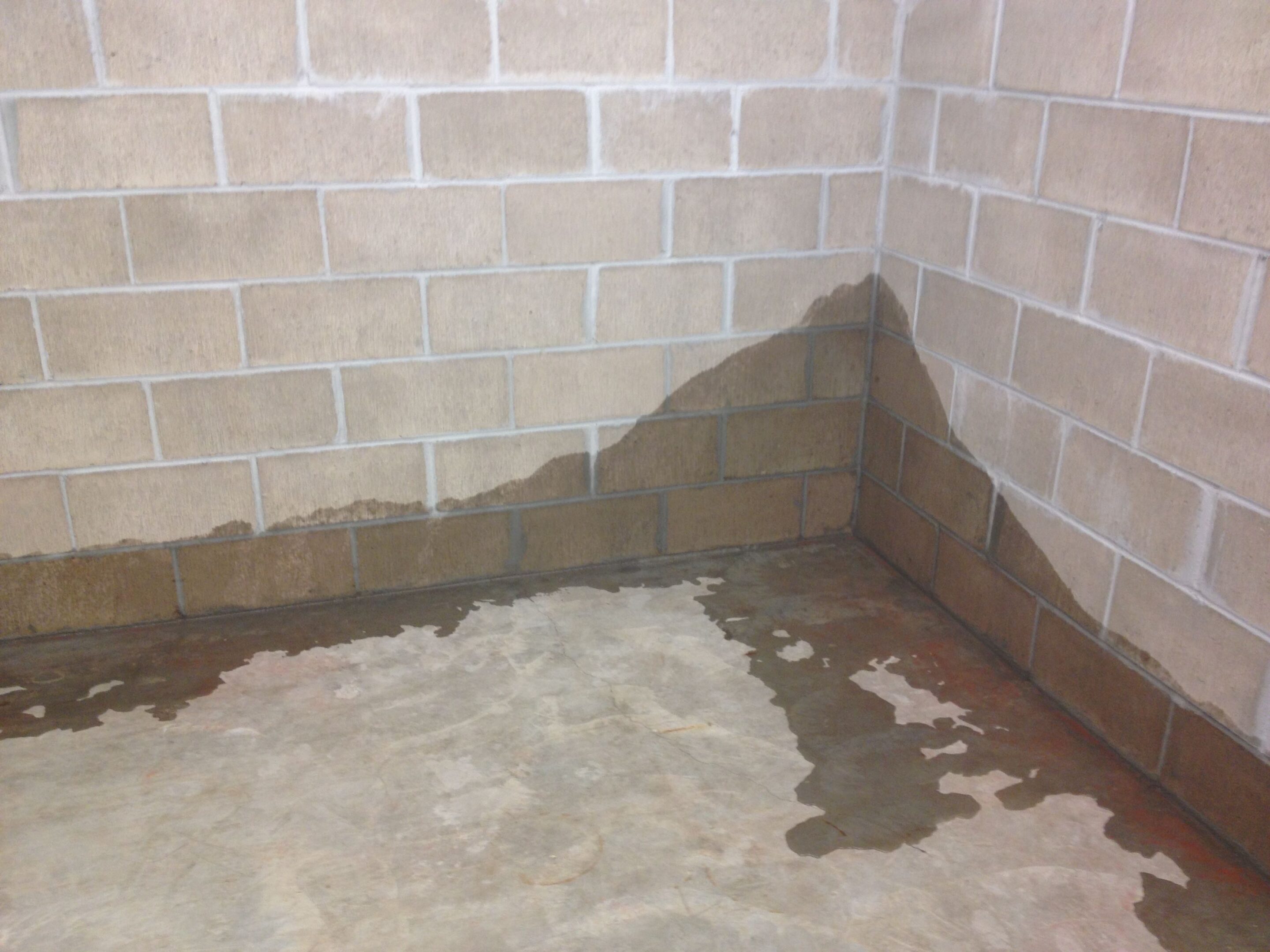
Water spreads farther than it looks. It wicks up drywall, travels under flooring, and runs along framing into the next room. Using infrared thermal imaging and moisture meters, the crew maps the full extent of the wet area, including inside walls, under floors, and in ceilings. This map becomes the drying plan and the baseline for daily readings. (Here’s how that equipment works.)
Extract standing water
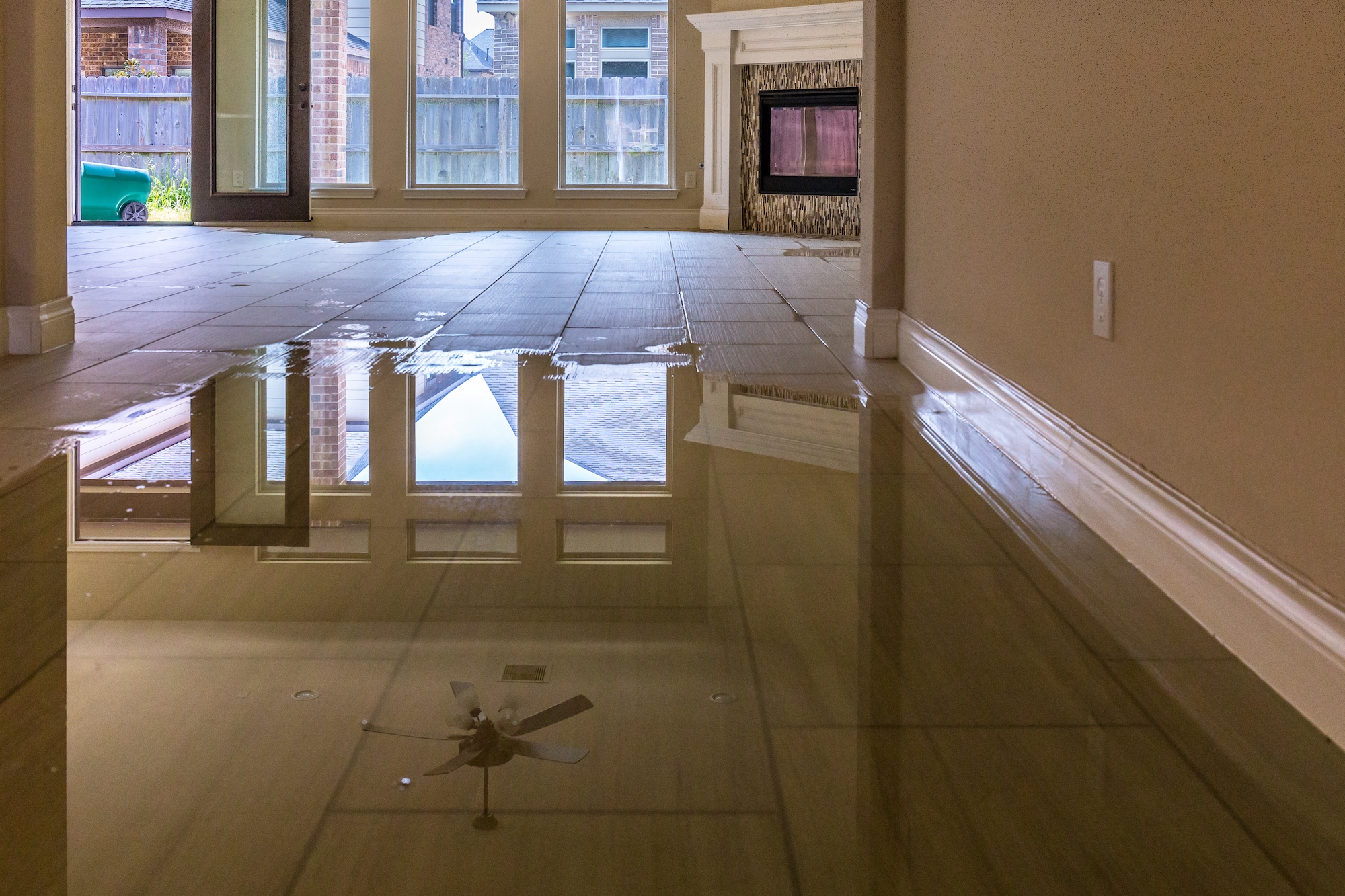
Industrial extractors pull standing water out of carpet, hardwood, concrete, and crawl spaces. This is the single most effective step in the whole job. Removing liquid water with an extractor is dramatically faster than trying to evaporate it with air movers and dehumidifiers later.
Remove what can’t be saved
Some materials come out on the first visit because they won’t dry in a reasonable time, or because they absorbed contaminated water:
- Carpet pad, which acts like a sponge and is typically discarded
- Wet insulation inside walls, which does not dry in place
- Drywall that’s saturated, contaminated, or hiding wet insulation, often cut in a straight line above the highest wet reading (a “flood cut”)
- Baseboards and trim, removed so walls can breathe, and saved for reinstallation when possible
With Category 2 or Category 3 water, more material comes out and the crew wears full protective equipment.
Set up drying equipment
High-velocity air movers go in to move air across wet surfaces and speed evaporation. Commercial dehumidifiers pull that moisture out of the air so it doesn’t just settle back into the materials. Placement is deliberate, based on the moisture map, and it’s why a crew will ask you not to move the equipment around.
Treat surfaces
Antimicrobial treatment is applied to affected materials to help keep mold from getting started while the structure dries.
The Next Few Days: Monitoring and Adjusting
This is the part that looks like nothing is happening. It’s actually the core of the job.
A technician comes back each day to:
- Take moisture readings at the same mapped points and log them
- Compare them to dry reference readings from unaffected materials in the same house
- Check temperature and humidity in the drying area to make sure the dehumidifiers are keeping up
- Move or add equipment where readings aren’t dropping fast enough
- Pull equipment from areas that have reached dry standard
Those daily logs matter. They prove the structure actually dried, they support your insurance claim, and they catch problem areas (a wall cavity that isn’t dropping, a subfloor still holding water) before they turn into mold.
Leave the equipment running. It’s loud, it’s warm, and it uses power. Turning it off overnight lets humidity climb back up and undoes part of the previous day’s progress. Keep exterior doors and windows closed too, especially in a humid DMV summer, because you’d be letting damp outdoor air into a space the dehumidifiers are trying to dry.
Verification: When Drying Is Actually Done
Drying is done when materials reach the dry standard, not when the calendar says so. For most residential jobs with professional equipment, that’s 3 to 5 days. The exact timeline depends on:
- What got wet. Drywall and carpet dry faster than hardwood, plaster, concrete, and masonry, which hold water deep and can need specialty drying setups.
- How long the water sat. The longer water sits before extraction, the deeper it wicks into the structure.
- Ambient humidity. A damp basement in August dries slower than a heated first floor in January.
- How much area is involved. A bathroom supply line is not a flooded finished basement.
Once final readings confirm the structure is dry, the equipment comes out and the job moves to reconstruction.
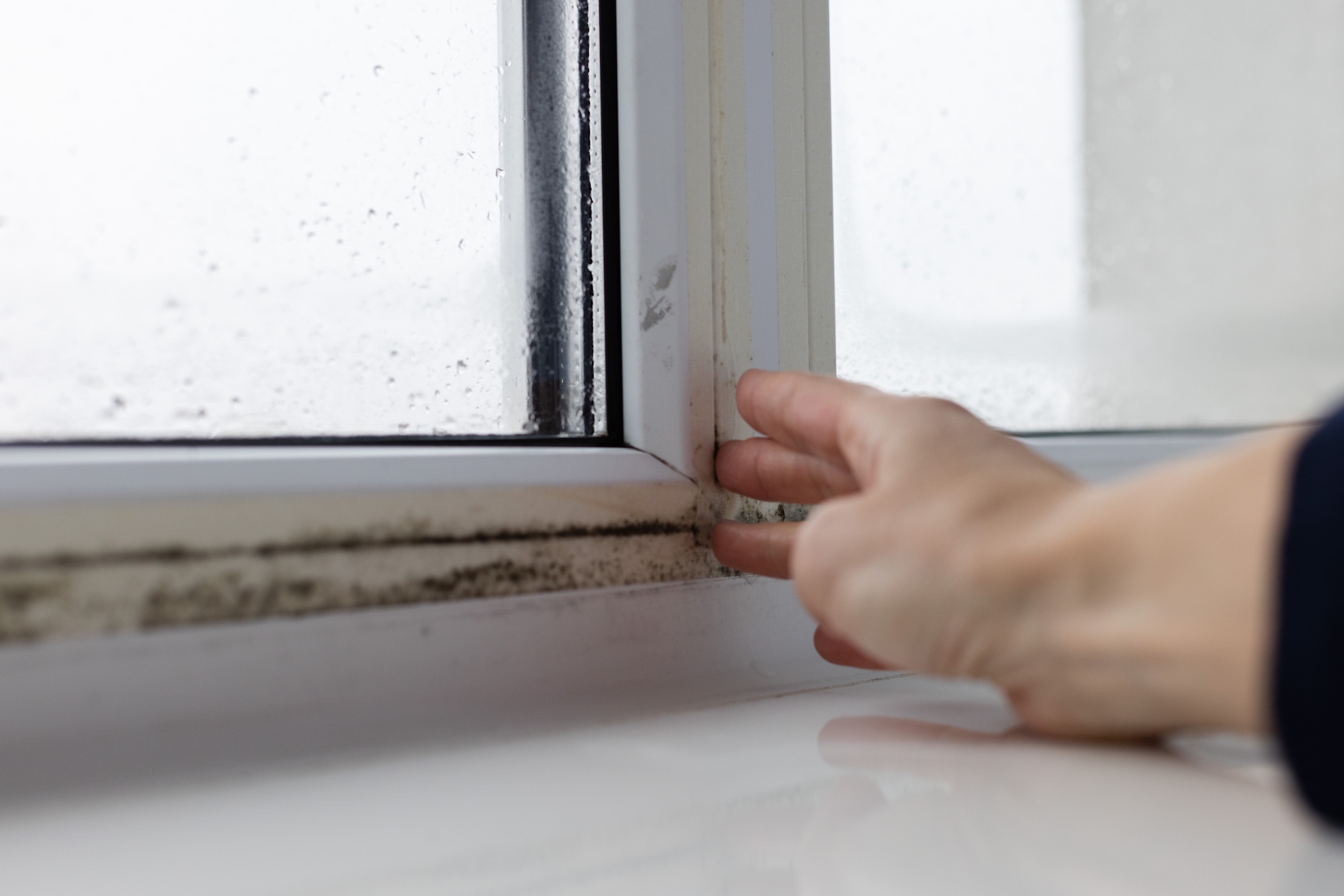
If mold is found during mitigation, the job changes. Affected areas are contained and handled under mold remediation protocols (the IICRC S520 standard) before any rebuild. That’s much simpler when one company handles both, because there’s no gap while a second crew gets scheduled.
DMV note: Humidity is the local wild card. Summers here are warm and damp enough that an unconditioned basement or crawl space can hold relative humidity well above the 60 percent level where mold growth becomes a concern, even before a leak. That’s why dehumidification carries more of the load on DMV jobs than it would in a drier climate, and why the “open the windows and let it air out” instinct works against you here from late spring through early fall. Finished basements in Montgomery, Howard, and Anne Arundel counties and below-grade units in D.C. and Baltimore row homes are the most common settings where drying takes longer than homeowners expect.
Why Not Just Use Fans and a Shop Vac?
For a small spill on a hard floor, you can. For anything that soaked into drywall, carpet, or a subfloor, household fans and a single store-bought dehumidifier rarely get materials to dry standard. They dry the surface, which feels like success, while the inside of the wall or the underside of the subfloor stays wet.
The difference is capacity and measurement. Commercial equipment moves and removes far more moisture, and moisture meters confirm the material is actually dry, not just dry to the touch. Without that verification, you’re guessing, and the cost of guessing wrong usually shows up months later as mold behind a freshly painted wall.
What You Can Do to Help
- Document everything before work starts. Photos and video of the water, the source, and damaged belongings.
- Move valuables and contents out of wet areas if it’s safe to do so. Books, photos, and documents can often be saved with proper drying.
- Keep kids and pets away from equipment and out of any area with contaminated water.
- Leave the equipment where it’s placed and leave it running.
- Keep windows and exterior doors closed in the drying area.
- Ask for the moisture logs. You’re entitled to see that the structure was verified dry, and your adjuster will want them.
The Bottom Line
Water damage mitigation is extraction, moisture mapping, removal of what can’t be saved, and several days of monitored drying until the structure is measurably dry. The loud machines and the daily visits are the job. Skipping them is how a water problem turns into a mold problem.
MoldGone handles the full sequence across D.C., Baltimore, Maryland, and Virginia: water extraction, moisture mapping with thermal imaging, structural drying, antimicrobial treatment, sewage and black water cleanup, and content drying, with mold remediation and reconstruction under the same roof if they’re needed. We document everything for your insurance and work directly with your adjuster. See our water damage restoration services for more.
Have water damage that needs drying and assessment? Call MoldGone at (240) 970-6533 or request service.
Water damage classifications and drying practices referenced in this article follow the IICRC S500 Standard for Professional Water Damage Restoration. Mold remediation references the IICRC S520 Standard. Humidity guidance references EPA recommendations on moisture and mold in buildings. Drying timelines vary by materials, conditions, and extent of damage, and any specific situation requires on-site assessment.