Found a new stain or damp wall after a storm? Water that blew in sideways is usually already inside the wall cavity by the time you see it. MoldGone assesses and repairs storm-related water damage across D.C., Baltimore, Maryland, and Virginia. Call (240) 970-6533 or schedule an inspection.
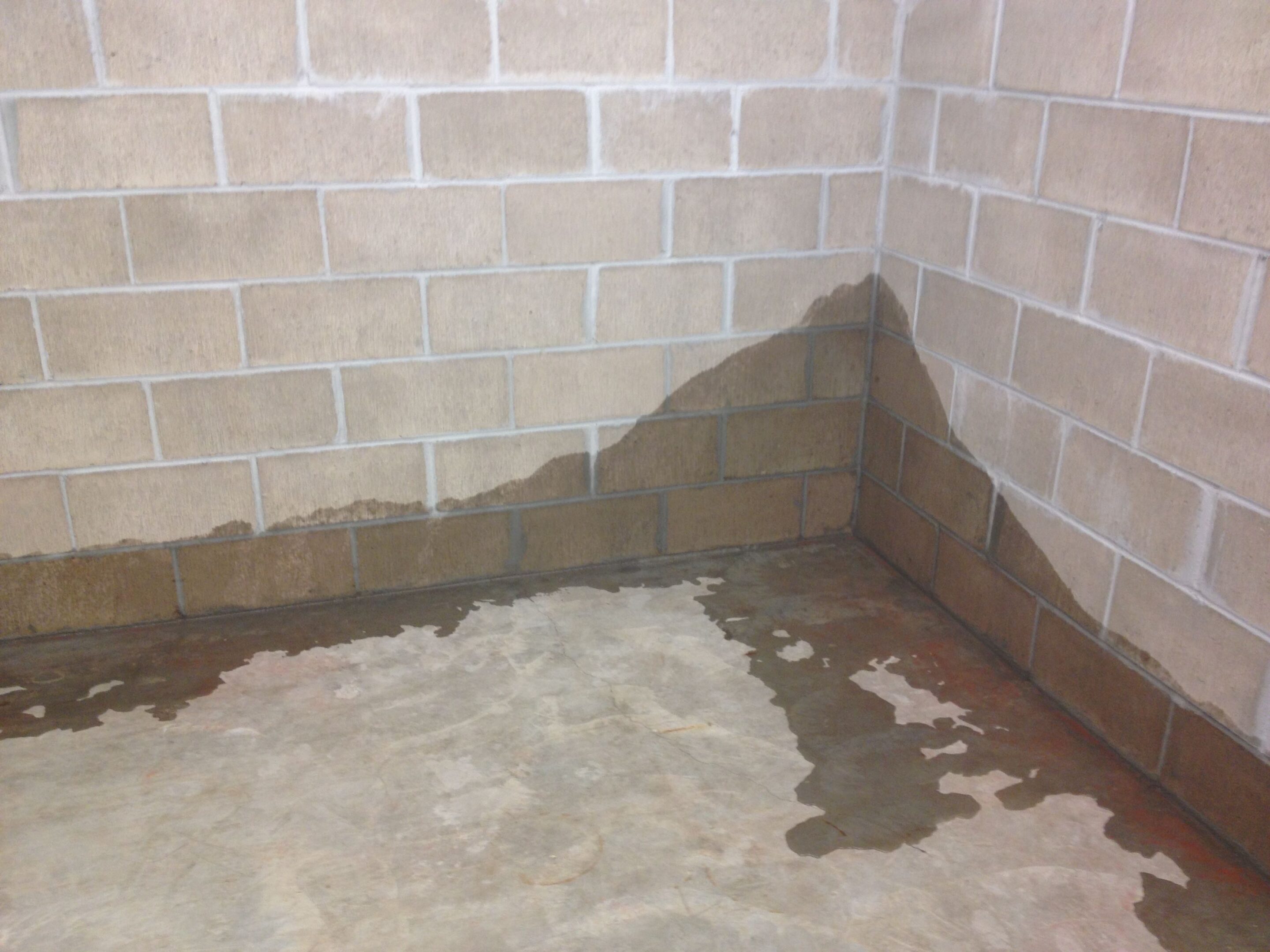
The roof held. No shingles in the yard, no drip from the ceiling, no puddle in the attic. Then two days after the storm there’s a brown line under the bedroom window, the baseboard on the windward wall feels soft, and the room smells a little off.
That’s wind-driven rain. It’s one of the most common ways storm water gets into DMV homes, and one of the least understood, because it doesn’t come through the roof and it doesn’t look like a leak.
Here’s how it gets in, where it hides, and why it gets treated more seriously than an ordinary drip.
The Short Answer
- Wind turns rain sideways. In a strong storm, rain hits walls and windows under pressure, and that pressure pushes water through gaps that stay dry in normal weather.
- It enters at windows, doors, siding, brick, vents, and chimneys, not just the roof.
- It runs down inside the wall, so the stain usually appears below and away from the actual entry point.
- Under the IICRC S500 standard, wind-driven rain from hurricanes and tropical storms is treated as Category 3 water. Porous materials it soaks generally come out rather than getting dried in place.
- Surfaces dry fast. Wall cavities don’t. Insulation and framing behind the drywall can stay wet long after the paint looks fine, and EPA guidance is that mold can begin growing on wet materials within 24 to 48 hours.
Why Wind Changes Everything
In calm rain, water falls straight down. Roofs, gutters, and overhangs are designed for that, and a house handles it easily.
Add 40 or 50 mph gusts and the physics change. Rain now strikes the side of the house head on. The wind also creates a pressure difference: higher pressure outside on the windward wall, lower pressure inside the wall cavity and the house. Water gets pushed toward the low pressure, which means it can travel sideways and even upward through gaps a few millimeters wide.
That’s why a window that’s been dry for fifteen years can leak during one storm. The window didn’t change. The pressure did.
It’s also why the damage concentrates on one or two sides of the house. Check the walls that faced the wind, which in most DMV storms means the south and east sides for tropical remnants and the west side for summer thunderstorm lines. Storm tracks vary, so check all four, but start with the side that took the weather.
Where It Gets In
Windows
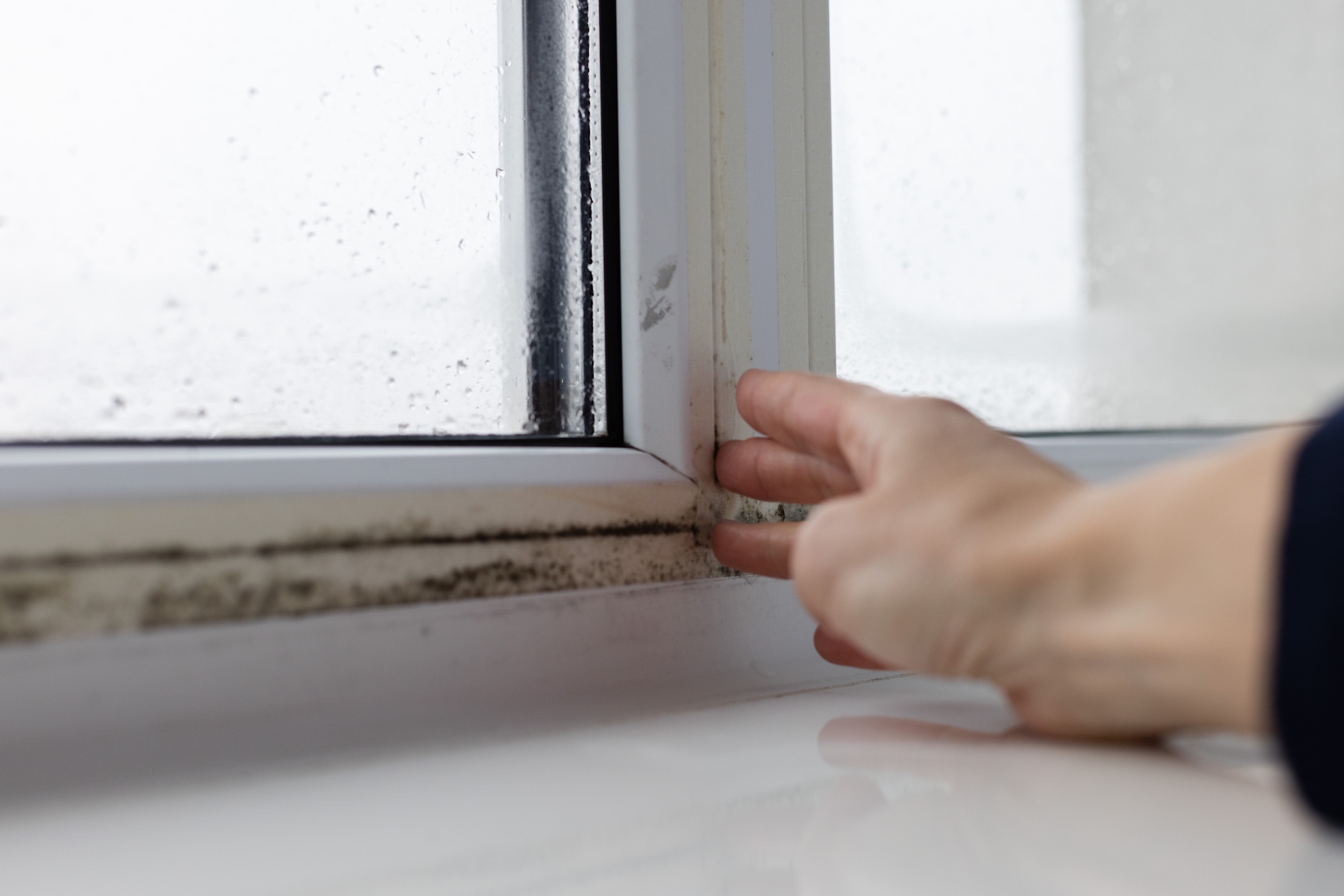
The most common entry point by far. Water gets in through failed caulk at the frame, missing or reversed flashing at the head, and sills with no sill pan to direct water back out. Once past the frame, it runs down inside the wall and shows up at the corners of the sill or at the baseboard below.
Doors and Thresholds
Exterior doors on the windward side, especially sliding patio doors, take on water at the threshold and the track. Sliding door tracks hold water and push it inward under pressure.
Brick and Masonry
Much of the DMV’s housing stock is brick or brick veneer. Brick is porous. In a long, heavy storm it absorbs water like a sponge, and some of that water makes it through to the back of the veneer. A properly built veneer wall has an air gap, a water-resistant barrier, flashing, and weep holes at the base to let that water drain out. Older homes, and some not-so-old ones, have blocked weep holes, mortar droppings filling the air gap, or no flashing at all. The water that gets through has nowhere to go but inward.
Siding and Trim
Vinyl and wood siding are designed to shed most water, not all of it. Wind drives rain behind siding laps, loose panels, and corner trim. If the housewrap behind it is torn, poorly lapped, or missing, the sheathing gets wet.
Roof Vents, Soffits, and Ridge Vents
The roof itself may be fine while the ventilation takes on water. Ridge vents, gable vents, and soffit vents are built to let air through, and a strong enough wind will push rain through with it. The result is wet insulation along the eaves or a damp patch on the attic floor well away from any roof penetration.
Chimneys
Cracked crowns, deteriorated mortar joints, and failed step flashing let water run down the chimney chase and show up on a ceiling or wall next to the fireplace.
Why You Don’t See It Right Away
Water that gets in through a window head doesn’t drip. It runs down the back of the drywall, soaks the bottom plate and the insulation, and sits there. The paint on the face of the wall dries in a day or two. The inside of the cavity does not.
Signs to watch for in the days and weeks after a storm:
- Stains or bubbling paint below window corners
- Baseboards that swell, separate, or feel soft
- Carpet tack strip or pad that’s damp along an exterior wall
- A musty smell in one room that wasn’t there before the storm
- Peeling paint or efflorescence (white mineral deposits) on interior masonry
- Nail pops or a faint horizontal line on drywall a few inches above the floor
If you see any of these on a wall that faced the storm, assume the cavity behind it is wet until someone proves otherwise. Moisture meters and thermal imaging can map that without opening the wall. See our post on moisture meters and thermal imaging for how that works.
Why It’s Treated as Contaminated Water
This is the part that surprises homeowners. Rain is clean, so why would water that came in with rain be handled like floodwater?
Under the IICRC S500 standard, rain that falls directly into a building is generally Category 1, clean water. Wind-driven rain from hurricanes, tropical storms, and similar weather events is classified as Category 3. By the time it’s been blown against the exterior, run through siding, brick, and sheathing, and soaked into insulation, it has picked up whatever was on and in those surfaces: dirt, organic debris, bird and insect nesting material, and the microbial load that comes with all of it.
What that means in practice:
- Porous materials that got soaked, such as insulation, drywall, and carpet pad, generally come out rather than getting dried in place.
- Remaining surfaces are cleaned and treated with antimicrobials before the wall is closed back up.
- Framing and sheathing are dried and verified dry with a moisture meter before rebuild.
For the full breakdown of how categories work, see Water Damage Categories 1, 2, and 3 Explained.
DMV note: September and October are the months to watch. Atlantic hurricane season runs June 1 through November 30 and peaks in mid-September, and the systems that reach the Mid-Atlantic usually arrive as tropical storms or remnant lows. They lose most of their wind speed over land but still bring long hours of heavy rain driven by strong gusts. Add the region’s building types and the pattern is predictable. Brick row homes in D.C. and Baltimore take on water through aging mortar, parapet walls, and window openings that were never flashed to modern standards. Suburban Maryland and Northern Virginia homes built in the last 30 years are more likely to have siding over housewrap, where the weak points are window flashing details and penetrations. And the region’s summer humidity means a wall cavity that gets wet in September has plenty of warmth and moisture to support mold growth before the heating season dries the house out.
What to Do After a Storm
- Walk the windward walls first, inside and out. Look at every window corner, door threshold, and baseboard on the sides of the house that took the storm.
- Check the attic along the eaves and under vents, not just around the chimney and plumbing stacks.
- Photograph anything you find before you touch it, with the date. Documentation matters for insurance.
- Don’t paint over a stain. Stain-blocking primer hides the evidence and does nothing about the wet insulation behind it.
- Don’t wait for it to dry on its own. The face of the wall will. The cavity probably won’t, at least not before growth has a chance to start.
- Get the wall moisture-mapped. A professional assessment tells you whether you’re looking at a dried-out surface stain or a saturated cavity, before anyone opens anything.
- Fix the entry point too. Drying the wall without addressing the failed flashing or blocked weep holes just sets up the next storm.
Our full post-storm home checklist walks through every room in order.
The Bottom Line
Wind-driven rain doesn’t come through the roof and doesn’t look like a leak. It comes in sideways through windows, doors, brick, siding, and vents, runs down inside the wall, and shows up days later as a small stain well away from where it entered. Under the S500 standard it’s treated as contaminated water, which is why soaked insulation and drywall usually come out instead of being dried in place.
MoldGone handles storm-related water damage across D.C., Baltimore, Maryland, and Virginia, from moisture mapping with thermal imaging to water extraction, structural drying, and removal of contaminated materials, with mold remediation and reconstruction under the same roof if it’s needed. See our water damage restoration services for the full scope.
Stain on a wall that faced the storm? Call MoldGone at (240) 970-6533 or schedule an inspection.
Water damage classifications in this article follow the IICRC S500 Standard for Professional Water Damage Restoration. Mold growth timelines reference general EPA guidance on moisture and mold in buildings. Hurricane season dates reference NOAA’s National Hurricane Center. Any specific situation requires on-site assessment.