Musty smell upstairs, damp insulation falling down below? Summer is when vented crawl spaces take on the most moisture. MoldGone inspects and remediates crawl spaces across D.C., Baltimore, Maryland, and Virginia. Call (240) 970-6533 or schedule an inspection.
For decades the standard advice was simple: give the crawl space vents so it can breathe, and outside air will keep it dry.
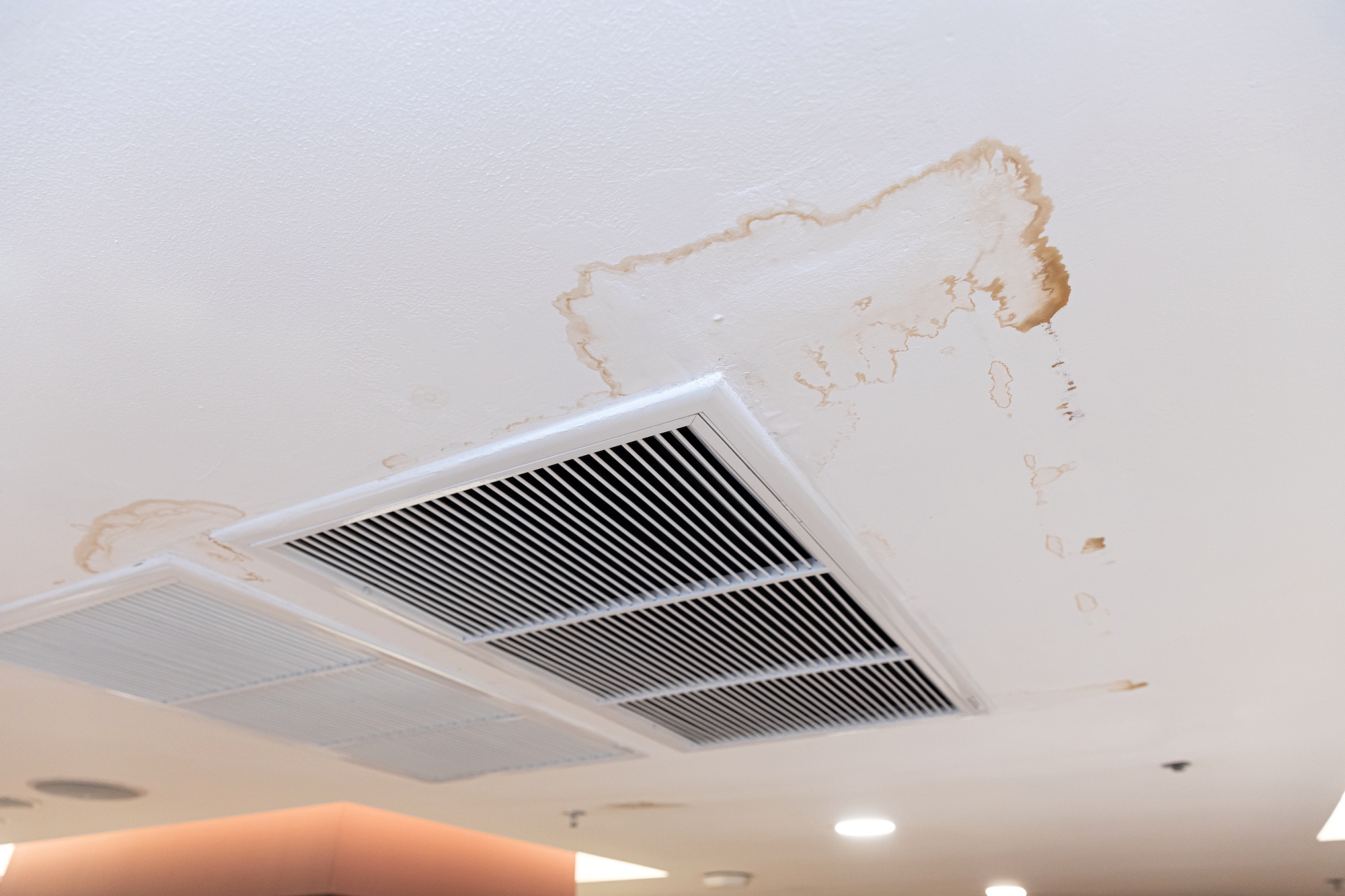
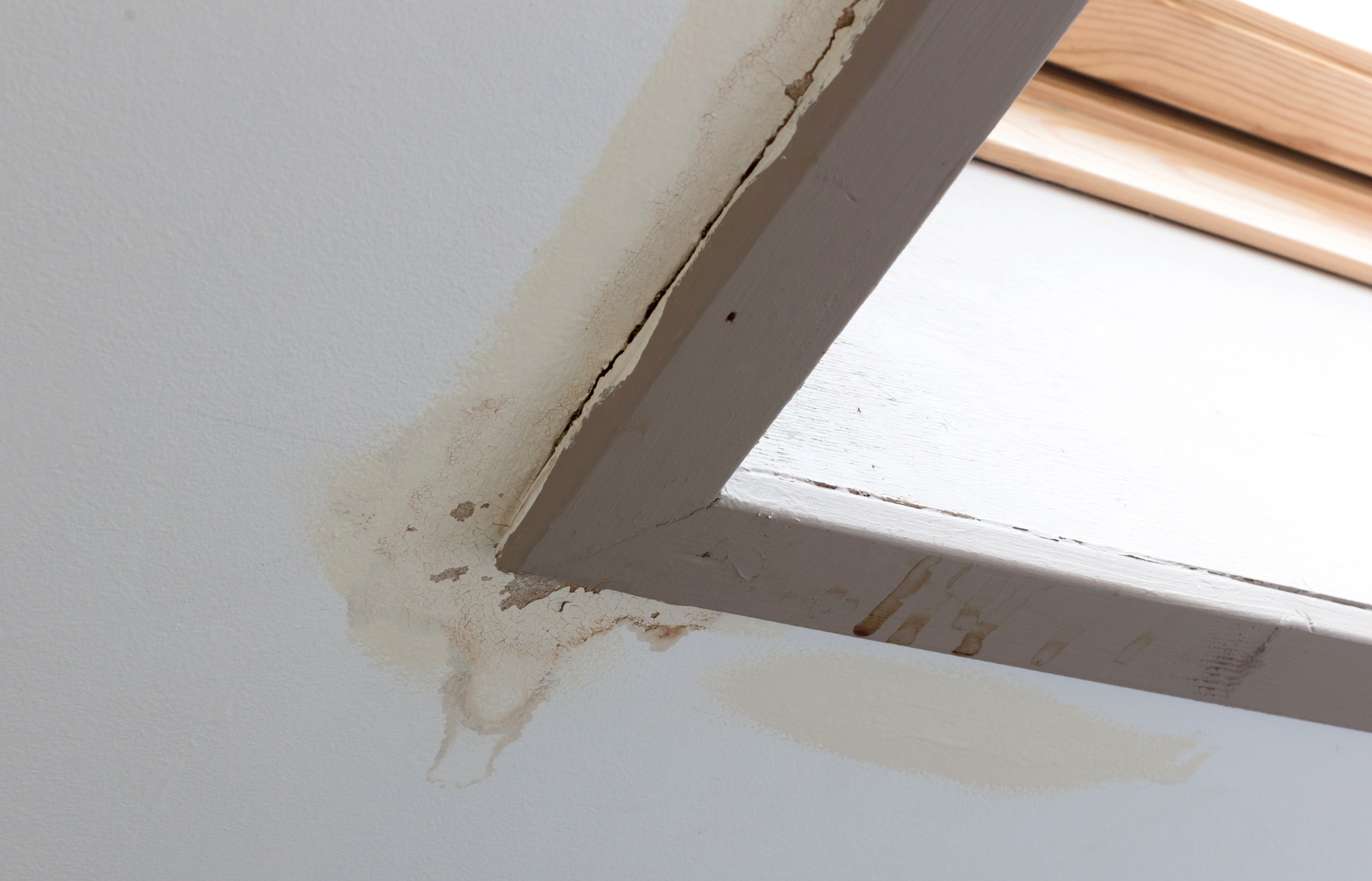
In a dry climate that works. In the Mid-Atlantic in July and August, it does close to the opposite. The vents let in hot, humid air, the crawl space is cooler than that air, and the moisture ends up on the joists, the ductwork, and the insulation. A lot of Northern Virginia and Maryland crawl spaces are at their wettest of the year in late summer, with no leak and no flooding involved.
Here’s why that happens, how to tell if it’s happening under your house, and what actually fixes it.
The Short Answer
- Humid summer air carries a lot of water. Dew points in the D.C. area regularly sit in the upper 60s and low 70s in July and August.
- Crawl spaces run cooler than outdoor air, because the ground keeps them cool. Air-conditioning ducts running through them are colder still.
- When humid air hits a surface below its dew point, water condenses. That’s what happens on crawl space joists, subfloor, and ductwork every summer.
- The vents bring in more humid air, not less. Venting a crawl space in a humid climate often adds moisture rather than removing it.
- The durable fix is controlling the air, usually by closing the vents, covering the ground with a sealed vapor barrier, and actively dehumidifying the space, after any existing mold is cleaned up.
The Physics, Briefly
Every parcel of air holds some amount of water vapor. The dew point is the temperature at which that air can’t hold it anymore and the water comes out as liquid. On a humid August afternoon in the DMV, the dew point outside can be around 70°F.
Now follow that air through a foundation vent. The crawl space is shaded, sits on soil that stays much cooler than the summer air, and loses heat to the ground all day. Surfaces down there are often in the 60s. Wood framing, the underside of the subfloor, and especially the AC supply ducts, which carry air in the 50s, can all sit below the dew point of the air coming in.
When warm, humid air touches a surface colder than its dew point, water condenses on that surface. It’s the same thing you see on a glass of iced tea on the porch. In a crawl space it happens across hundreds of square feet of wood and ductwork, day after day, all summer.
In winter the situation reverses. Outdoor air is cold and dry, and the crawl space dries out. That’s why the “let it breathe” advice sounded right for so long, and why so many crawl spaces look fine when someone checks them in February.
Signs Your Crawl Space Is Wet in Summer
You don’t have to go down there to notice some of these:
- A musty smell in the house, strongest on the first floor or in rooms over the crawl space. Air from the crawl space moves up into the living space, so what’s below ends up in the air you breathe upstairs.
- Cupping hardwood floors over the crawl space. The edges of the boards rise when the underside takes on more moisture than the top.
- Higher indoor humidity than you’d expect, even with the AC running.
If you do go down (with a flashlight, gloves, and a mask):
- Sweating ductwork, with beads of water on the outside of the ducts or on the duct insulation
- Fiberglass insulation that’s sagging, dark, or lying on the ground. Wet batts get heavy and fall out from between the joists.
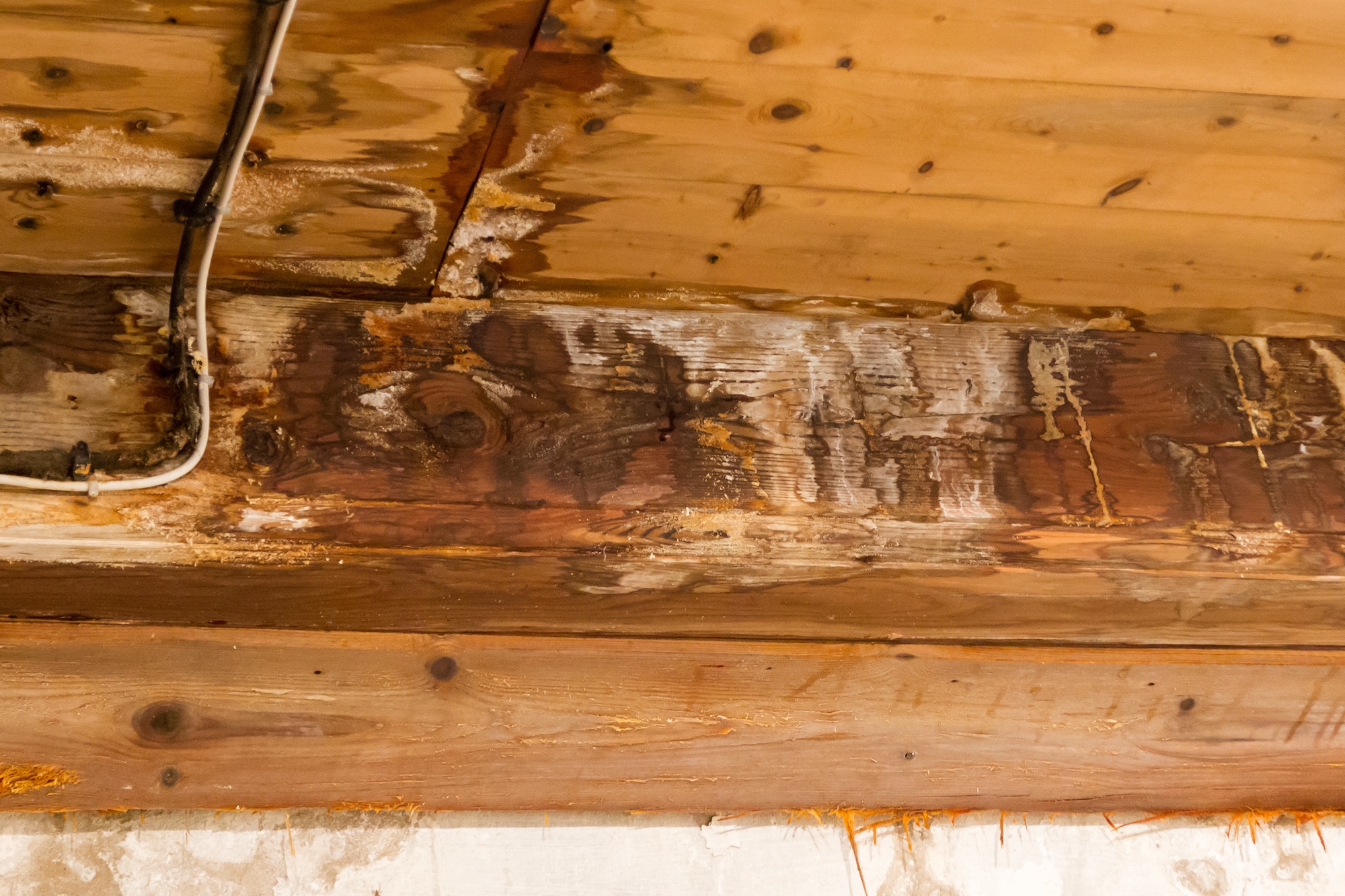
- Dark staining or fuzzy growth on joists, the sill plate, or the underside of the subfloor
- Water collecting on top of the ground vapor barrier, or a barrier that’s torn, partial, or missing
- Rusted fasteners, hangers, or ductwork straps
- A damp, earthy smell stronger than the rest of the house
Any of these in late summer points to condensation, not necessarily a leak. It’s still worth checking for leaks and drainage problems at the same time, because they often show up together.
DMV note: Northern Virginia has a large share of homes built over vented crawl spaces, especially in Fairfax, Prince William, and Loudoun counties, along with much of the older housing stock in Arlington and Alexandria. Many Maryland split-levels and ramblers in Montgomery, Howard, and Anne Arundel counties have a crawl space under part of the house. Clay-heavy soils in parts of the region drain slowly, so ground moisture adds to what’s coming in through the vents. Put that together with a regional summer that is warm and humid from June into September, and summer crawl space condensation is a common source of hidden mold in the region.
What Actually Fixes It
1. Deal with the mold that’s already there
If framing and subfloor already have growth, that has to be handled before anything gets sealed up. That means removing wet and contaminated insulation, cleaning growth off structural wood, and making sure the wood is dry. Sealing a crawl space over active growth traps the problem instead of solving it. (For how coatings fit into that process and where they don’t, see our post on encapsulation vs. removal.)
2. Fix the water sources
Gutters, downspouts, and grading come first. If rainwater is draining toward the foundation, no amount of air control will keep the crawl space dry. Plumbing leaks and condensate lines that discharge into the crawl space need to be fixed too.
3. Control the air instead of venting it
Building codes have allowed unvented crawl spaces for years, provided the ground is covered with a continuous vapor retarder that’s lapped and sealed at the seams and up the walls, and the space has some form of moisture control. That usually means one of the following:
- A dehumidifier sized for the crawl space, draining to the outside or to a pump
- A small amount of conditioned air supplied from the HVAC system
- An exhaust fan pulling crawl space air out, with makeup air from the house
The vents get sealed, the rim joists and gaps get air-sealed, and the humid summer air stops getting in. This is what’s commonly called crawl space encapsulation. It’s a different thing from applying a coating to moldy wood, even though the same word gets used for both.
4. Verify it’s working
A closed crawl space should hold relative humidity below 60 percent through the summer. A monitor that logs humidity, or one that sends alerts to your phone, tells you whether the system is actually doing its job.
What Not to Do
- Don’t just add more vents or a vent fan pulling outside air in. In a humid summer that brings in more of the problem.
- Don’t lay down plastic over wet, moldy framing and call it done. The barrier is part of a system, not a cover-up.
- Don’t spray a coating over growth without cleaning it first. That’s covered in detail in our encapsulation post.
- Don’t ignore it because it dries out in winter. The same condensation comes back every summer, and each season adds to the damage in the framing.
The Bottom Line
Vented crawl spaces in the DMV often get wetter in summer, not drier. Humid outdoor air comes in through the vents, meets cooler wood and colder ductwork, and condenses. The result is wet insulation, damp framing, cupping floors, and mold that shows up upstairs as a musty smell.
The fix is to remediate existing growth, correct drainage, and then control the air in the crawl space rather than venting it.
MoldGone handles crawl space mold inspection and remediation across D.C., Baltimore, Maryland, and Virginia, including removing contaminated insulation, cleaning structural framing, and installing vapor barrier systems as part of reconstruction.
Musty smell over the crawl space? Call MoldGone at (240) 970-6533 or schedule an inspection.
Humidity guidance in this article references EPA recommendations on moisture and mold in buildings. Unvented crawl space provisions reference the International Residential Code as adopted in Maryland and Virginia, and local requirements vary. This article is general information. Any specific situation requires on-site assessment.