Walked back into a smell that wasn’t there when you left? A musty odor after a week away usually means humidity got ahead of the house. MoldGone inspects and remediates across D.C., Baltimore, Maryland, and Virginia. Call (240) 970-6533 or schedule an inspection.
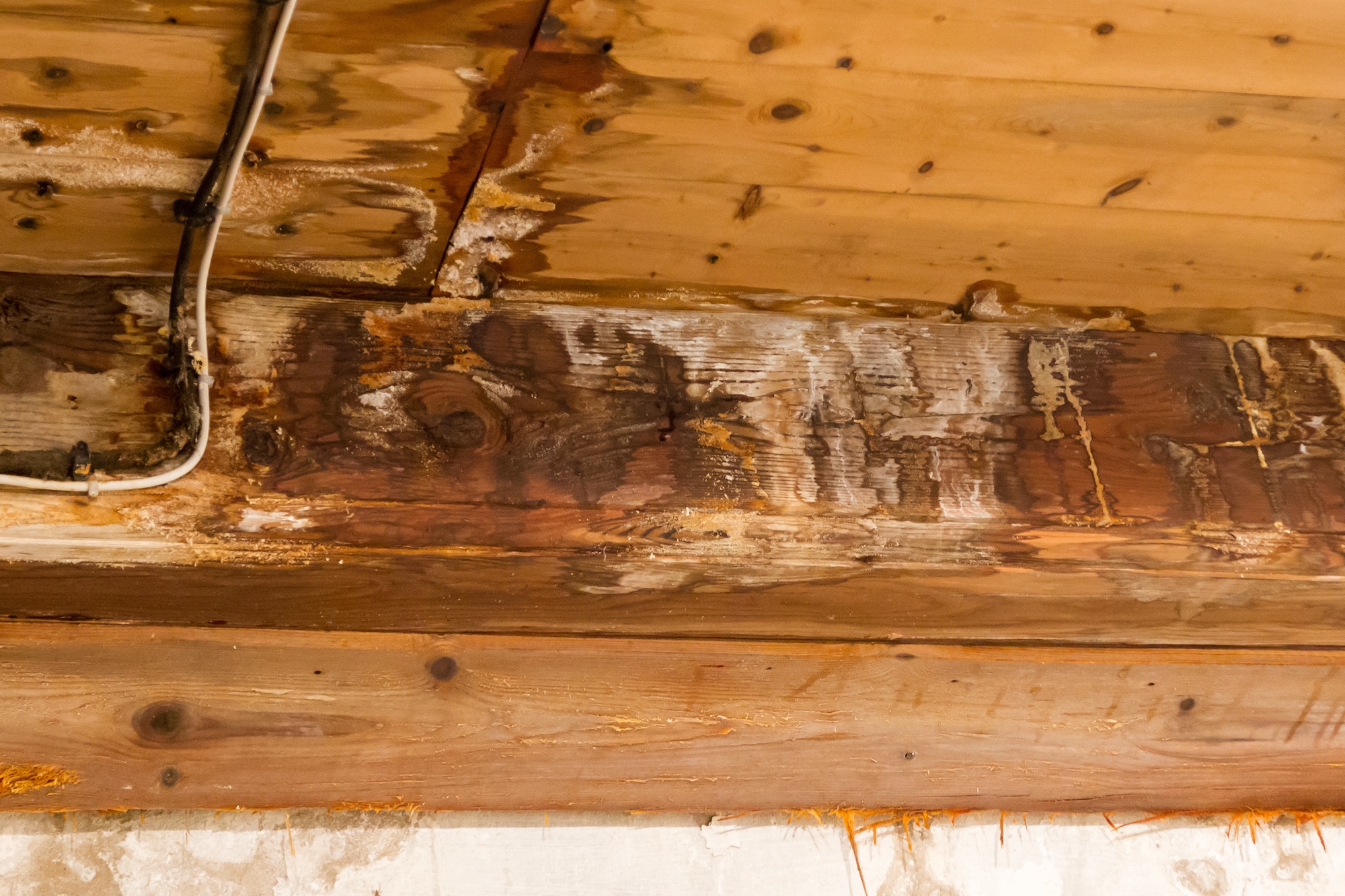
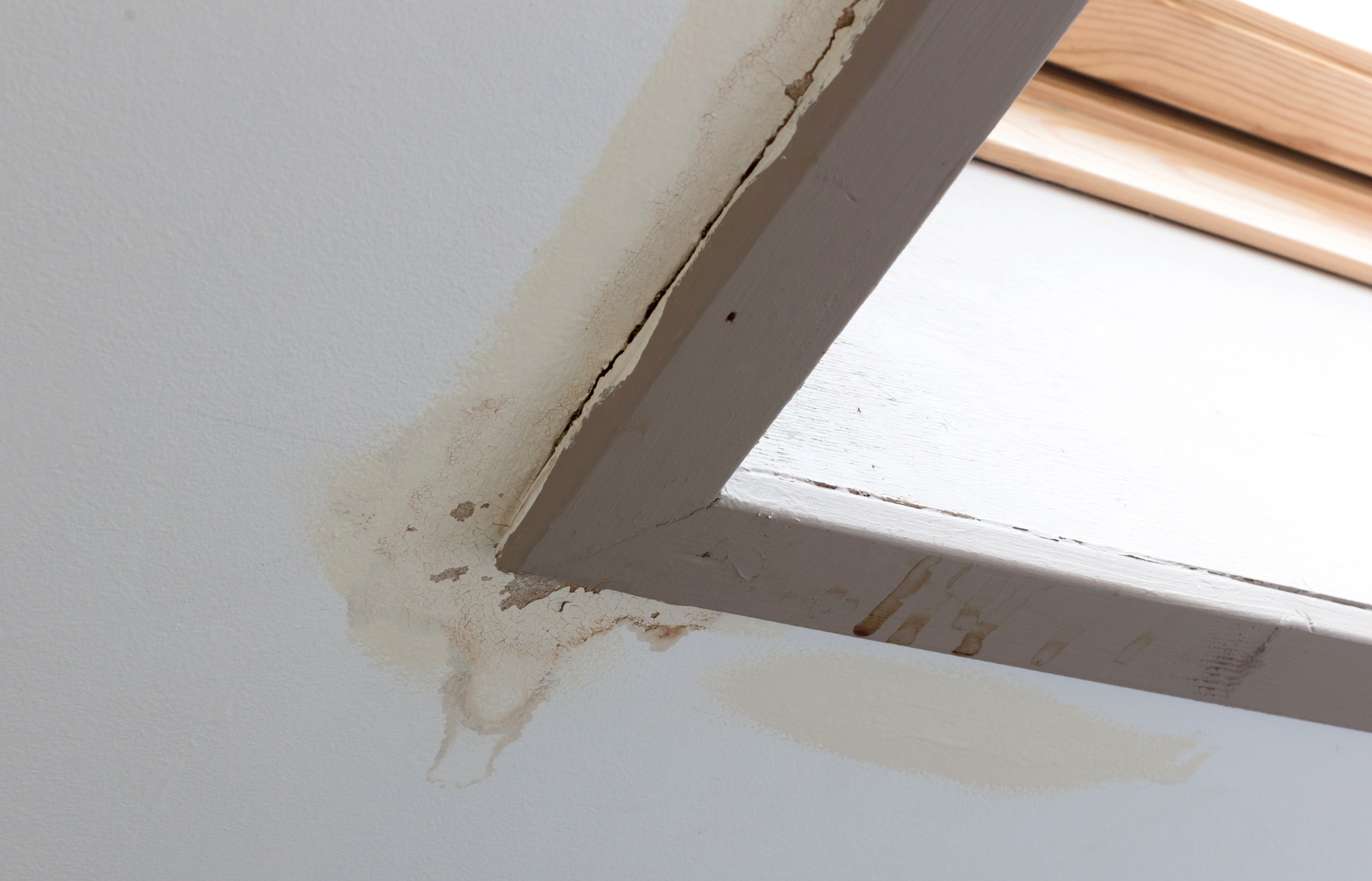
You open the front door after ten days at the beach and something is off. The air is heavy. There’s a damp, earthy smell in the basement, maybe the guest bath. A leather bag in the closet has a faint white bloom on it. A spot on the bathroom ceiling that was never there before.
Nothing broke while you were gone. The house just sat closed up through a Mid-Atlantic August, and that’s enough.
Here’s why summer vacations are one of the most common setups for household mold in the DMV, what to do before you leave, and what to check when you get back.
The Short Answer
- Mold is driven by humidity, and a closed-up summer house gets humid fast. EPA recommends keeping indoor relative humidity below 60 percent, ideally between 30 and 50 percent.
- Turning the AC off, or setting it very high, is the most common mistake. Air conditioning is doing most of your dehumidifying. Shut it down and indoor humidity climbs.
- Basements, closets, and bathrooms go first, because they have the least airflow and the most moisture to start with.
- A musty smell means growth is likely already underway somewhere, even if you can’t see it yet.
- Before you leave: keep the AC running at a moderate setting, run a basement dehumidifier on a continuous drain, and shut off the main water valve.
Why an Empty House Grows Mold
A house that people are living in gets a surprising amount of air management without anyone thinking about it. The AC cycles on and off all day. Doors open and close. Bath fans run. People notice a smell or a drip and deal with it.
Leave for a week or two in summer and all of that stops. Three things happen:
The AC runs less, or not at all. Most people raise the thermostat to save energy while they’re away, and some shut the system off. But an air conditioner removes moisture as well as heat. When it runs less, humidity builds, and in a DMV summer it builds quickly. Outdoor air here routinely carries dew points in the upper 60s and low 70s in July and August, and that moisture works its way in through every gap in the house.
The air stops moving. Closed doors and still air let humidity pool in closets, bathrooms, and the corners of basements. Surfaces that are slightly cooler, like exterior walls, the floor of a finished basement, and the back of a closet on the north side, can reach the point where moisture collects on them.
Small problems run unattended. A slow drip under a sink, a condensate line that backs up, a dehumidifier bucket that fills on day two and shuts the unit off. At home you’d catch these. Away, they run for a week or more.
Put those together and you have warm, still, damp air sitting on organic material (drywall paper, wood, fabric, leather, dust) for days. That’s what mold needs.
The Spots That Go First
- Basements, especially finished ones. Below-grade walls and floors are cool, and cool surfaces in humid air collect moisture.
- Closets on exterior walls. Stuffed with fabric, closed off from airflow, and backed by a cooler wall.
- Bathrooms, particularly if someone showered the morning you left and the fan didn’t run long enough.
- Leather, suede, and stored fabrics. Shoes, bags, and jackets often show a white or green bloom before any wall does.
- Under sinks, where a small leak can run unnoticed.
- Around the air handler and condensate drain, if the line clogs and the pan overflows.
- Crawl spaces, which in the DMV are often at their wettest in late summer. More on that in our post on why vented crawl spaces get wetter in summer.
Before You Leave: A Short Checklist
- Leave the AC on. Raise the setting a few degrees if you want to save energy, but don’t shut it off. What matters is keeping indoor humidity under 60 percent, not hitting a particular temperature. If your smart thermostat has an “away” mode, check how high it lets the temperature drift.
- Run a dehumidifier in the basement, set to around 50 percent, with a hose to a floor drain or a condensate pump. A bucket-style unit will fill up and shut itself off within a day or two.
- Shut off the main water valve. It’s the simplest way to make sure a failed washing machine hose or ice maker line doesn’t run for a week. Turn the water heater to its vacation setting if it has one.
- Check the condensate drain line at the air handler and make sure it’s flowing.
- Leave interior doors open, including closet doors where you can, so air circulates.
- Don’t leave anything wet. Empty the washer, run the dishwasher and prop it open, hang towels to dry fully before you go.
- Put a hygrometer where you can see it, or a smart humidity sensor that sends alerts to your phone. They’re inexpensive, and they tell you what’s happening while you’re away.
- Ask someone to walk through if you’ll be gone more than a week, and have them check the basement.
DMV note: August is the worst month to close up a house in this region. Humidity peaks in mid to late summer, afternoon thunderstorms add moisture on top of it, and much of the local housing stock has at least one space that fights humidity even in normal use: a finished basement in Montgomery or Howard County, a below-grade unit in a D.C. or Baltimore row home, a vented crawl space in Northern Virginia. Those spaces are fine while the AC is running and someone is paying attention. Take both away for ten days and they’re the first place growth starts. See our post on the worst times of year for mold in D.C. and Baltimore for the full seasonal picture.
When You Get Back
Use your nose first. Walk through every room, including the basement and closets, before you open windows or turn on fans. A musty, earthy smell is the most reliable early sign of mold, and it’s easiest to pin down before you start moving air around. (Our post on what mold smells like goes into more detail.)
Check the usual spots. Closets on exterior walls, the basement, under sinks, bathroom ceilings, stored leather and fabric, and the area around the air handler.
Get humidity back down. Turn the AC back to your normal setting and run the dehumidifier. Don’t open windows to “air it out” on a humid day. In a DMV summer you’d be letting in more moisture than you let out.
Deal with what you find, sized honestly.
- A small spot on a hard, non-porous surface like tile or glass is a cleanup job.
- Growth on drywall, wood, carpet, or furniture, anything larger than a small patch, or a musty smell with no visible source is a different situation. EPA guidance is that areas larger than about 10 square feet call for professional help, and a smell you can’t trace usually means growth is somewhere you can’t see.
- Don’t bleach porous surfaces or paint over spots. It hides the problem without removing it. See why mold keeps coming back in the same spot.
If it keeps happening, that’s a sign the house has a humidity problem that daily life normally masks. A vacation just exposes it.
The Bottom Line
A summer vacation doesn’t cause mold on its own. It removes the AC runtime, airflow, and daily attention that were keeping humidity in check. In a DMV August, a week of that is enough for growth to start in basements, closets, and bathrooms.
Keep the AC running, dehumidify the basement on a continuous drain, shut off the water, and check humidity while you’re away. When you come back, trust your nose.
MoldGone handles mold inspection, moisture assessment, and mold remediation across D.C., Baltimore, Maryland, and Virginia, including tracing the humidity problem behind the growth so it doesn’t come back next summer.
Came home to a musty house? Call MoldGone at (240) 970-6533 or schedule an inspection.
Humidity guidance in this article references EPA recommendations on moisture and mold in buildings, including EPA’s guidance on cleanup area size. This article is general information. Any specific situation requires on-site assessment.